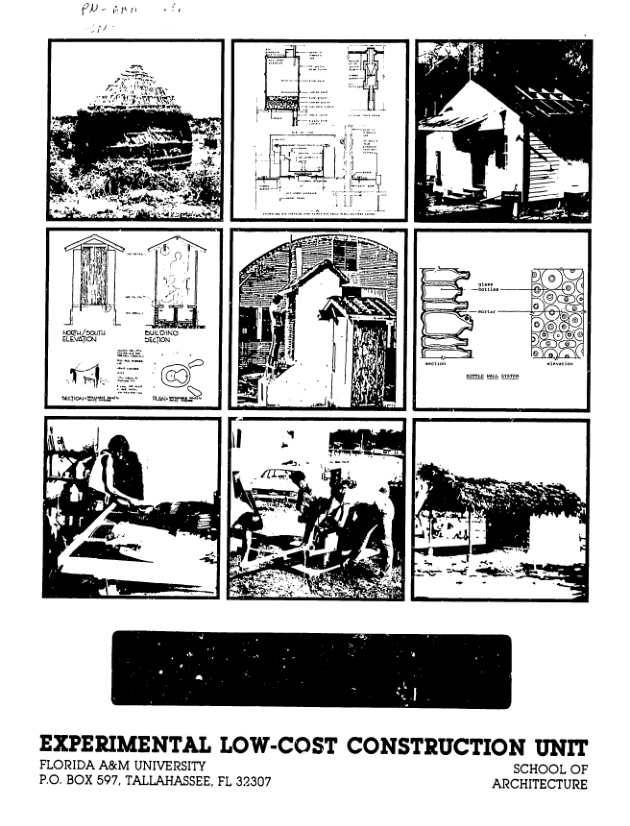
Results of a study on roof systems considered for use in a pilot housing project for displaced nomads in Kurtunwaare, Somalia are presented in this report. The study begins with a description of the pilot project and a list of all roofing systems and building materials available for it. Full evaluation is made of makuti (thatched) roofing systems – including traditional makuti (roof membrane), makuti modified with tar paper, and preservative and fire retardant treated makuti – as well as of roofing systems employing local fired clay tiles, corrugated fiber and asbestos cement tiles, corrugated aluminum and galvanized iron sheets, sulphur impregnated corrugated cardboard shingles, and reinforced concrete slab. Structural framing systems for both light and heavy roofs are examined as well. Comparative charts summarize information on the physical structure (including construction procedures and thermal effects), state of development, local environmental and economic impacts, and short- and long-term costs of each roofing type. In conclusion, corrugated fiber cement tiles, traditional makuti, corrugated galvanized iron sheets, reinforced concrete slab, and/or preservative treated makuti are recommended; local fired clay tiles and sulphur impregnated corrugated cardboard are recommended with reservations. The other types of roofs are not recommended.

