USAID DEC
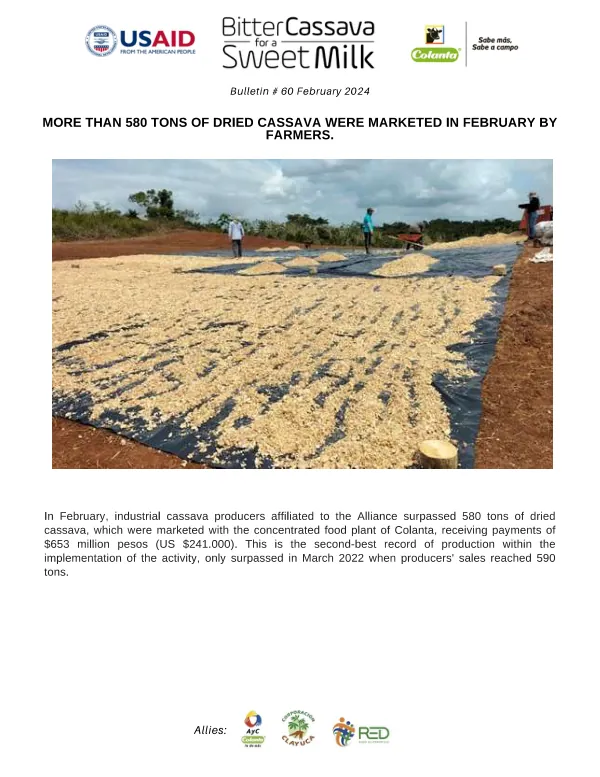
Boletín Febrero 2024 español - inglés
The region's agricultural sector was characterized by small-scale farming operations, with most farmers relying on rain-fed agriculture and manual labor.
3 pages
Sign in to readA free account is required to download.
Abstract
The training programs emphasized the importance of crop rotation, composting, and conservation agriculture to improve soil fertility and reduce soil erosion. This suggests that women may be more receptive to adopting new agricultural practices, particularly those that improve soil health and reduce labor requirements. The program's success can be attributed to the combination of training, infrastructure development, and market linkage facilitation, which addressed the primary challenges identified in the initial assessments. The program's geographic focus was on Eastern Province, where the majority of Rwanda's agricultural production takes place. The region's agricultural sector is critical to the country's economic development, and the program's success has significant implications for Rwanda's food security and economic growth. The program's findings and recommendations can inform future agricultural development initiatives in Rwanda and other countries facing similar challenges.
Classification
- Document type
- Fact Sheet
Related documents