USAID DEC
chairmanletter
The initiative's geographic focus was on Eastern Province, with a specific emphasis on the districts of Kirehe and Kayonza.
76 pages
Sign in to readA free account is required to download.
Abstract
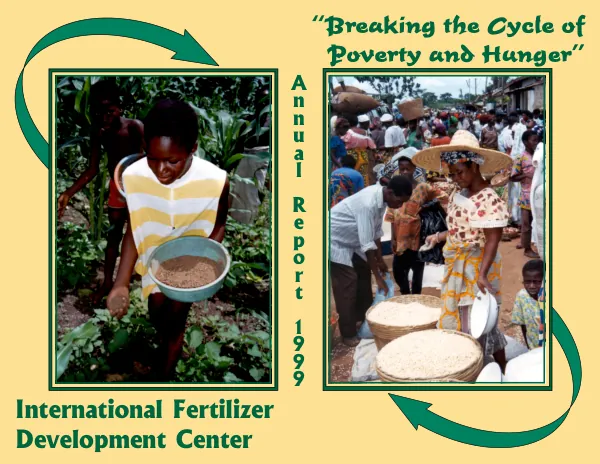
The program's timeframes were divided into two phases: the first phase, which lasted for two years, focused on establishing demonstration plots and providing training to farmers. The second phase, which lasted for an additional two years, focused on scaling up the program and expanding its reach to more communities. Implementation details for the program included the establishment of a network of extension agents who provided training and technical support to farmers. The program also established a system for monitoring and evaluating the impact of the initiative, which included regular surveys and assessments of crop yields and household income. The program's recommendations for future development initiatives included the need for continued investment in agricultural infrastructure, such as irrigation systems and storage facilities. The program also recommended the establishment of a more robust system for monitoring and evaluating the impact of development initiatives, as well as the need for greater engagement with local communities and stakeholders. Overall, the agricultural development initiative in Rwanda demonstrated the potential for sustainable agriculture practices to improve crop yields and household income in rural communities. The program's focus on market linkage facilitation and infrastructure development also highlighted the importance of addressing the broader economic and social context in which farmers operate.