USAID DEC
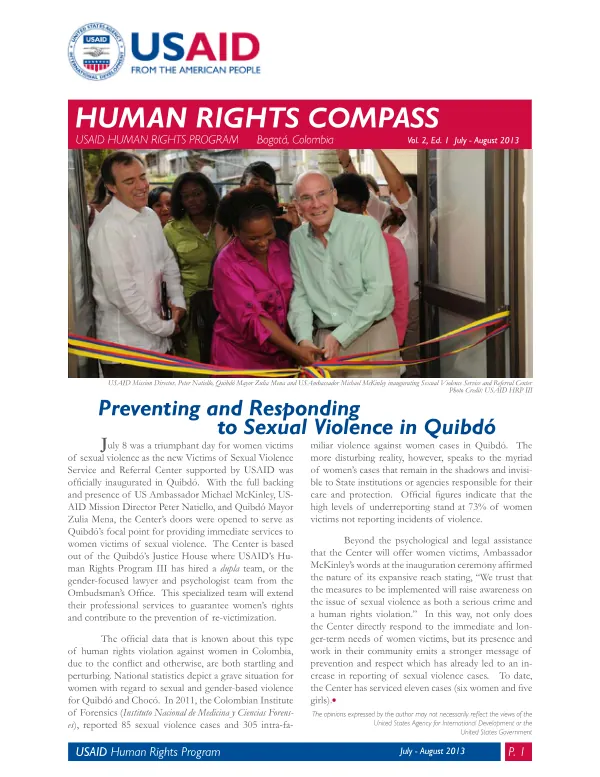
Compass, July-Aug 2013
The region's agricultural sector was characterized by small-scale farming, with the majority of farmers relying on rain-fed agriculture and lacking access to modern inputs and technologies.
2013 · 4 pages
Sign in to readA free account is required to download.
Abstract
The training programs emphasized the importance of conservation agriculture, integrated pest management, and post-harvest handling techniques. The initiative's focus on women's empowerment and gender equality was seen as a key factor in the program's success, with women playing a crucial role in the adoption and dissemination of new agricultural practices. The initiative's impact on poverty reduction and economic growth was significant, with the program's beneficiaries experiencing improved access to markets, higher incomes, and better living standards. The initiative's success was attributed to the collaborative efforts of local stakeholders, including government agencies, non-governmental organizations, and private sector partners. The program's focus on building capacity and empowering local communities was seen as a key factor in its sustainability and scalability. The initiative's lessons and best practices were shared with other countries in the region, providing a model for agricultural development and poverty reduction initiatives.
Classification
- Language
Related documents