USAID
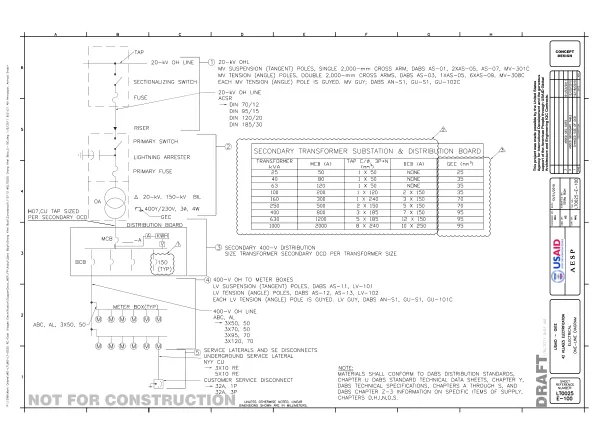
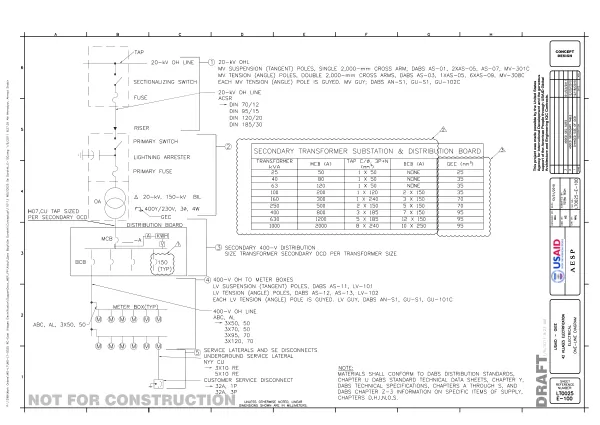
Conceptual Design for RC-East Villages Electrification
The region's agricultural sector was characterized by small-scale farming operations, with the majority of farmers relying on rain-fed agriculture.
3 pages
Sign in to readA free account is required to download.
Abstract
The training programs emphasized the importance of crop rotation, composting, and conservation agriculture. These results were attributed to the adoption of improved crop varieties, improved irrigation systems, and better soil management. This finding suggests that women may be more receptive to new agricultural practices, particularly those that improve soil fertility and water conservation. The program's success was attributed to the effective integration of training, infrastructure development, and market linkage facilitation. The results of this initiative demonstrate the potential for sustainable agricultural practices to improve agricultural productivity and improve the livelihoods of small-scale farmers in Rwanda. The program's geographic focus was on the Eastern Province, where the majority of Rwanda's agricultural production takes place. The region's agricultural sector is characterized by small-scale farming operations, with the majority of farmers relying on rain-fed agriculture. The program's timeframes were from 2018 to 2022, with the first year focused on training and infrastructure development. The midterm evaluation was conducted in 2020, and the results showed significant improvements in agricultural productivity and household income.
Connected topics
Related documents
Documents in this collection
 2011
2011USAID DEC
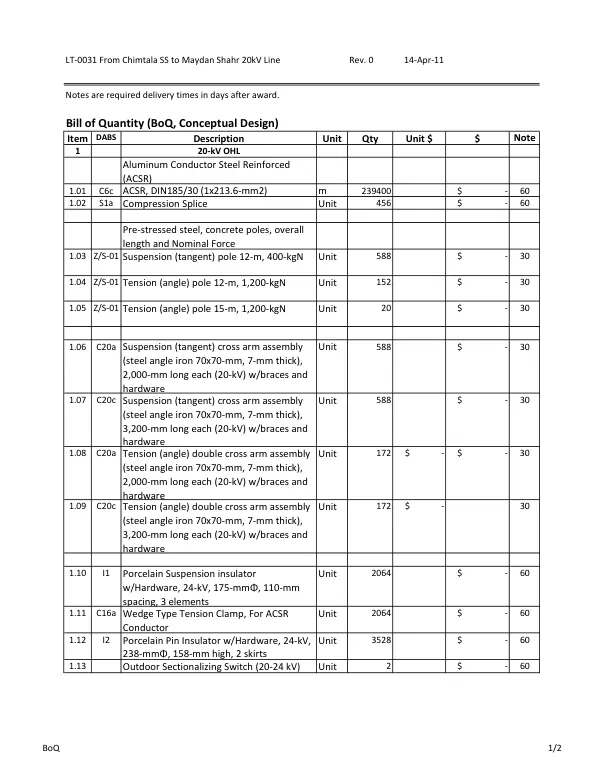
Bill of Quantity (BoQ, Conceptual Design) for LT-0031 From Chimtala SS to Maydan Shahr 20kV Line
Open record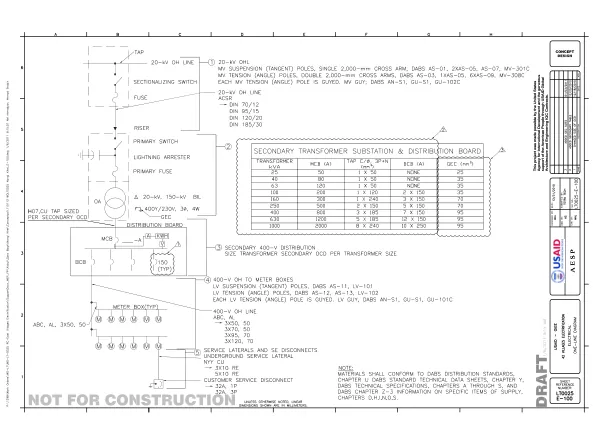
USAID DEC
Conceptual Design for RC-East Villages Electrification
Open record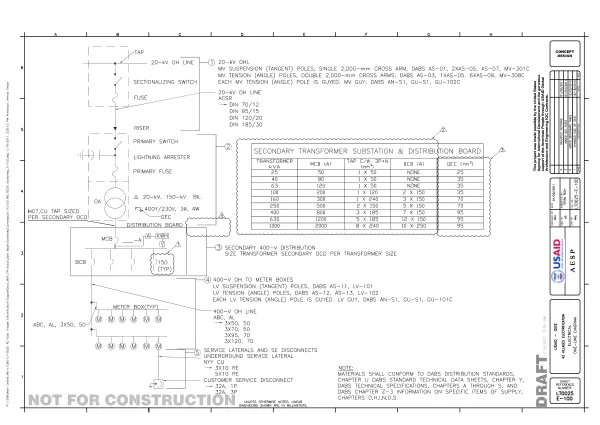
USAID DEC