USAID DEC
CPY Document
Soil degradation was attributed to intensive farming practices and inadequate crop rotation, while limited market access hindered farmers' ability to sell their produce at competitive prices.
20 pages
Sign in to readA free account is required to download.
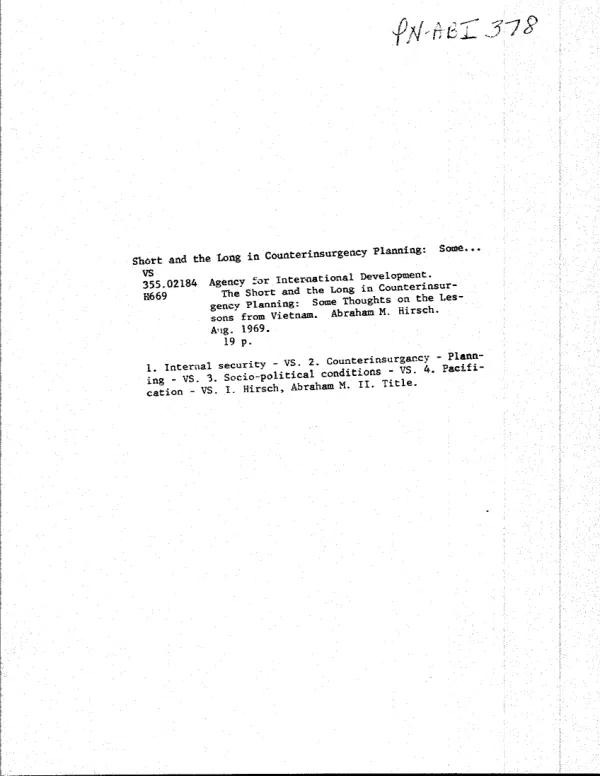
Abstract
The training programs emphasized the importance of composting, crop rotation, and conservation agriculture to improve soil fertility and reduce erosion. The plots also served as a platform for farmers to share knowledge and best practices. The higher adoption rates among women-headed households were attributed to their greater involvement in household decision-making and their willingness to adopt new practices to improve their family's food security. The evaluation also found that the program had a positive impact on household nutrition, with a significant increase in the consumption of fruits and vegetables among program participants. The program's success was attributed to the collaborative efforts of local government agencies, NGOs, and community leaders, who worked together to implement the program's interventions and provide ongoing support to farmers. The program's long-term sustainability was ensured through the establishment of a farmer-led association, which provided a platform for farmers to share knowledge, access markets, and advocate for their interests. The association also played a key role in promoting the adoption of sustainable agriculture practices among new farmers, ensuring the program's impact extended beyond the initial project period.
Classification