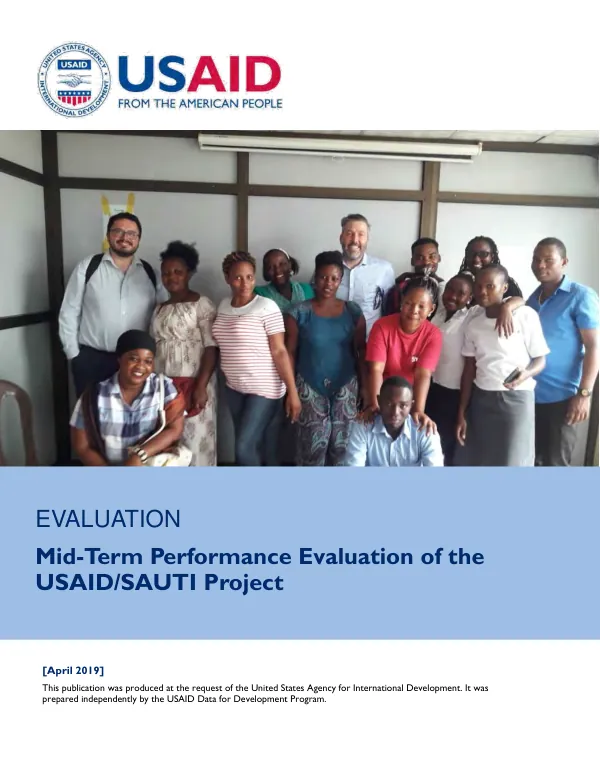
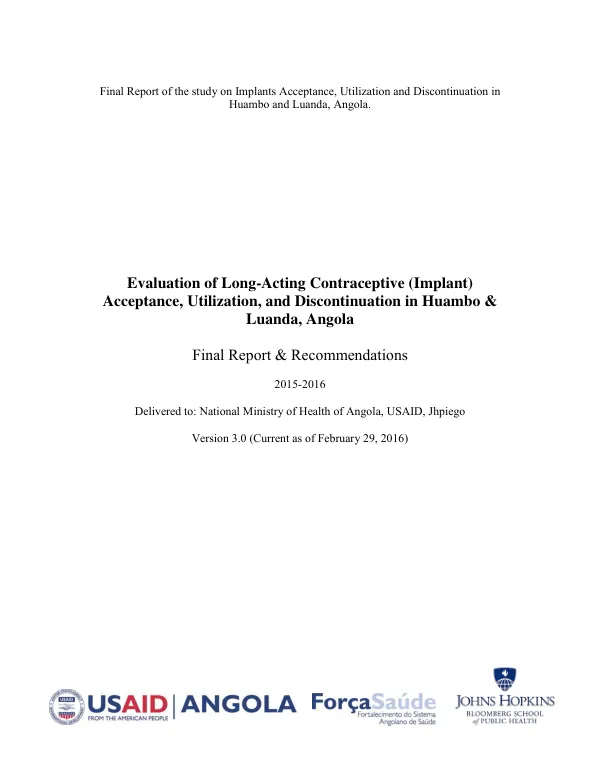
USAID DEC
Document PA-00J-141
The region's agricultural sector was characterized by small-scale farming, with the majority of farmers relying on rain-fed agriculture and lacking access to modern inputs and technologies.
2 pages
Sign in to readA free account is required to download.
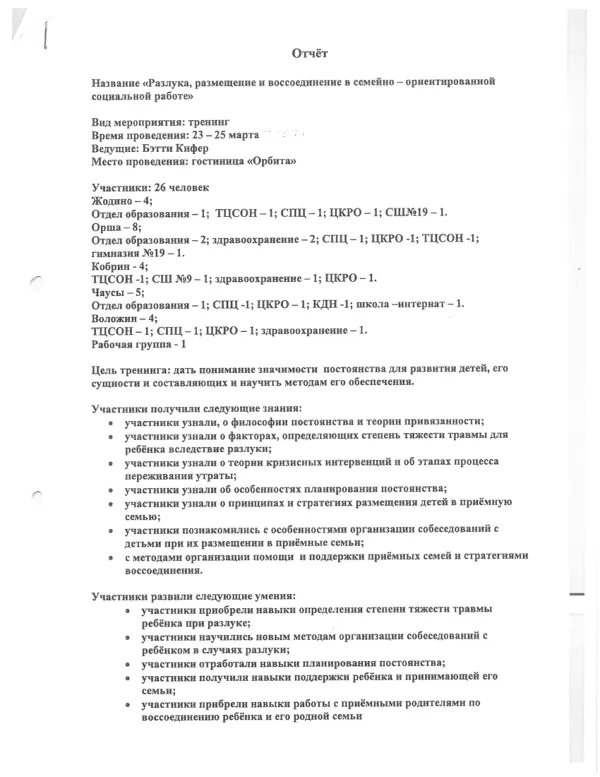
Abstract
The training programs emphasized the importance of crop rotation, composting, and conservation agriculture, with a focus on improving soil fertility and reducing soil erosion. The initiative's emphasis on women's empowerment and gender equality was seen as a key factor in the program's success, with women playing a crucial role in the adoption and dissemination of new agricultural practices. The program's impact on poverty reduction and food security was significant, with the majority of participants reporting improved access to nutritious food and increased income from agricultural sales. The initiative's success was attributed to the collaborative efforts of local stakeholders, including farmers, extension agents, and government officials. The program's long-term sustainability was ensured through the establishment of a farmer-led association, which provided a platform for farmers to share knowledge, resources, and best practices. The association also facilitated access to markets and inputs, enabling farmers to scale up their production and improve their livelihoods. The initiative's impact extended beyond the target communities, with lessons learned and best practices disseminated to other regions and countries through national and international networks.
Classification
Related documents