INTERNATIONAL FOOD POLICY RESEARCH INSTITUTE (IFPRI)
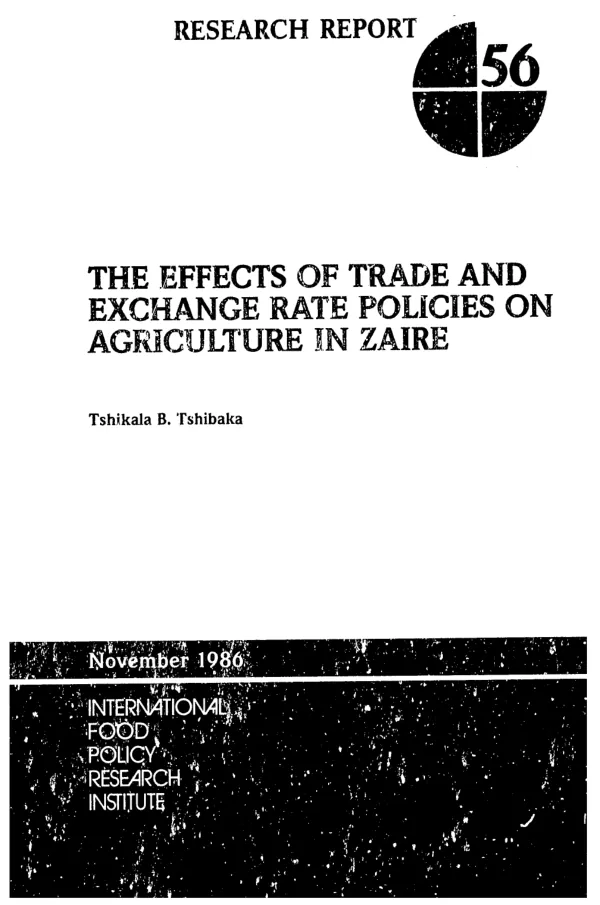
Effects of trade and exchange rate policies on agriculture in Nigeria
Although the oil boom of the mid-1970"s has caused Nigeria"s GDP to increase at an annual rate of 7%, the agricultural sector, which still employs 59% of the work force, continues to experience sharp declines in productivity and exports.
Oyejide, T. Ademola · 1986
Sign in to readA free account is required to download.
Abstract
Several macroeconomic policies have contributed to this problem, including an import subtitution-industrialization strategy that reallocates resources from the agricultural to the industrial sector, and monetary policies that have led to an overvalued domestic currency which particularly squeezes agricultural exports. This study attempts to assess (1) the degree of protection afforded by trade and exchange rate policies to agriculture vis-a-vis other sectors of the economy, (2) how these policies affect the allocation of resources within the agricultural sector itself, and (3) how the dominant sector, oil, has affected production within the agricultural sector. The study concludes that efforts to revitalize the agricultural sector must include programs to develop new technology, rural infrastructure, and rural investment together with agricultural price interventions, and that leaders should consider the effects on other sectors before implementing policies designed to support growth in one sector.
Connected topics