U.S. DEPT. OF AGRICULTURE. FOREST SERVICE
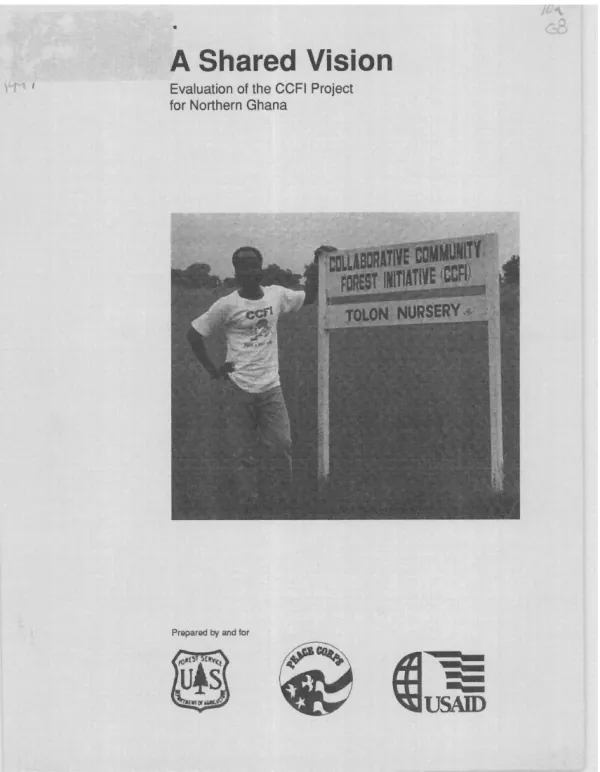
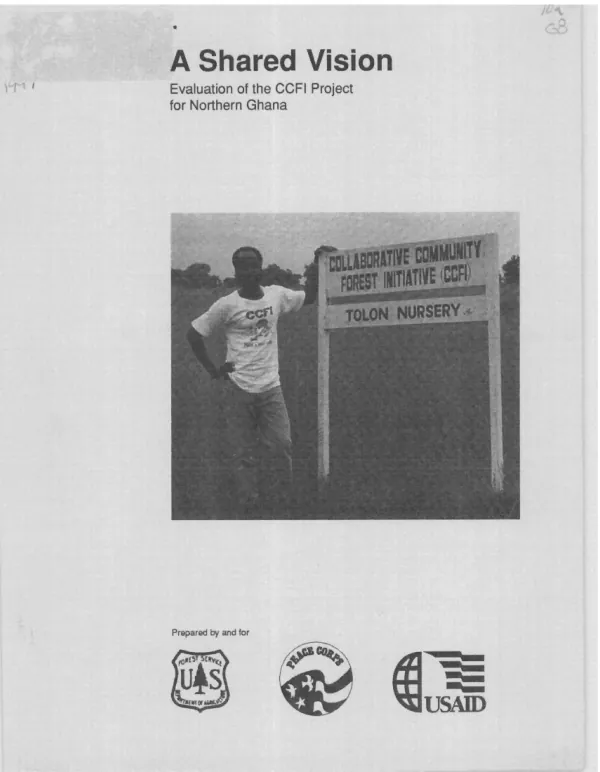
Evaluation of : the collaborative community forestry initiative for Northern Ghana
Evaluates a project to establish community-based, self-sufficient tree nurseries in Northern Ghana.
Burwell, Bruce|Helin, William|Robinson, Jennet · 1992
Sign in to readA free account is required to download.
Abstract
The project, called the Collaborative Community Forestry Initiative (CCFI), is implemented by the Adventist Development Relief Agency (ADRA) in cooperation with the Peace Corps and the Government of Ghana. Interim evaluation covers the period 1988-4/92. Accomplishments have been quite impressive; although only in its third year, the project has established 11 community nurseries, which produced almost 700,000 seedlings in 1990. Each site successfully outplanted seedlings, with high survival rates -- sometimes topping 90%. Demand for species varied with location, but fruit and nut trees were consistently popular, as was teak, while in some areas, neem was the preferred species. The collaborative aspect of the project is one of its greatest strengths, as it provides the project management with a system of checks and balances. Particularly noteworthy was the dedication of participating groups, communities, and individuals. However, some persons interviewed expressed a concern that the quality of collaboration had decreased over the last two years. As the annual review workshop is an excellent forum for fostering improved collaboration, it should be continued, and timed to allow incoming Peace Corps volunteers to attend. Also, the CCFI Community Committees should be reconstituted. Findings concerning project management were somewhat contradictory, but the general feeling was that it had improved in the two months prior to this evaluation. Most complaints concerned financial management, which was described as unpredictable; this may be due in large part to the fact that funding comes through a variety of different channels. At one point, interruption in the disbursement of funds brought the project to the brink of disaster, and Peace Corps volunteers had to use their personal money to pay workers. It is recommended that the project develop its own separate budget and budget process against which all project expenses are charged, and that an assistant for the Coordinator should be hired to keep records and an accounting for individual project sites. In general, the concept and the management of the food aid program was viewed positively. The following are identified as priority issues: training, sale of forest tree seedlings, cash generation, compensation for CCFI Community Communities, appointment of nursery managers, information dissemination, budget preparation, traditional versus pilot approach, and selection of seedling species and future sites.