USAID DEC
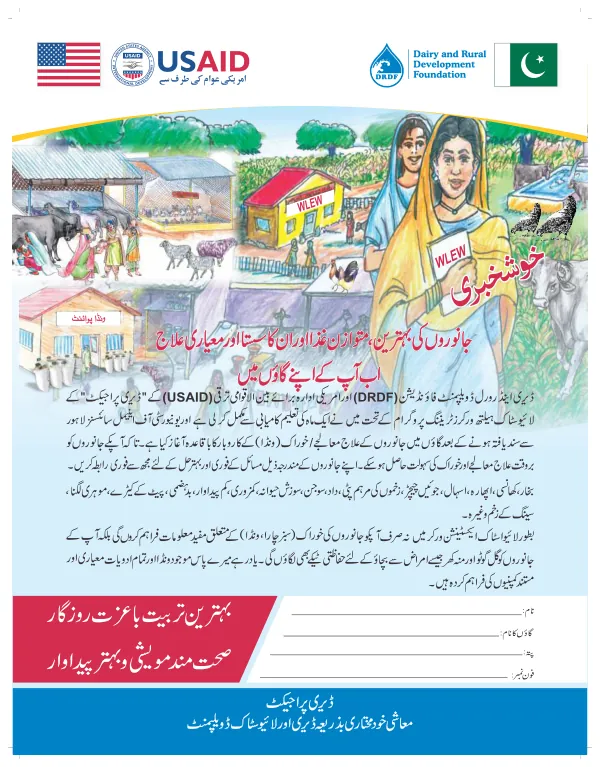
latest wlew september with Flags
The region's agricultural sector was characterized by small-scale farming, with the majority of farmers relying on rain-fed agriculture and lacking access to modern inputs and technologies.
1 pages
Sign in to readA free account is required to download.
Abstract
The training programs emphasized the importance of crop rotation, composting, and conservation agriculture, with a focus on improving soil fertility and reducing erosion. The program's success in engaging women-headed households was attributed to the provision of training and support tailored to their specific needs and circumstances. The program's impact on household income and food security was attributed to the combination of improved agricultural productivity and increased market access, allowing farmers to sell their produce at higher prices and improve their overall well-being. The program's geographic focus was on Eastern Province, with a specific emphasis on the districts of Kirehe, Kayonza, and Ngoma. The program's timeframes were from 2018 to 2022, with a focus on the first three years of implementation. The program's recommendations emphasized the need for continued support for small-scale farmers, particularly women-headed households, and the importance of integrating agricultural and market access interventions to achieve sustainable and equitable development outcomes.
Classification
- Document type