USAID DEC
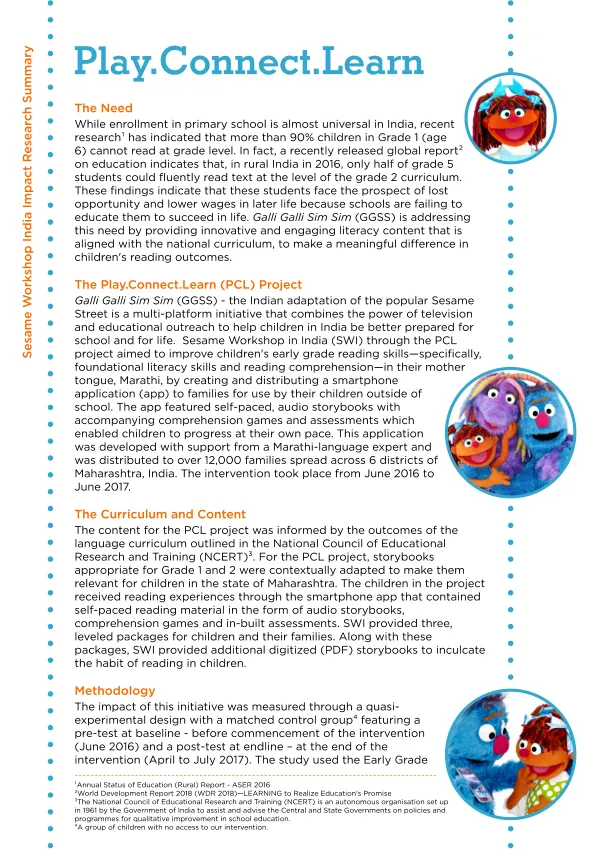
Play Connect Learn Factsheet
The region's agricultural sector was characterized by small-scale farming, with the majority of farmers relying on rain-fed agriculture and lacking access to modern inputs and technologies.
2 pages
Sign in to readA free account is required to download.
Abstract
The training programs emphasized the importance of crop rotation, composting, and conservation agriculture, which were found to be effective in improving soil fertility and reducing erosion. This suggests that women in these households may have been more receptive to new agricultural practices, possibly due to their existing knowledge and experience in managing household resources. The evaluation also found that the program had a positive impact on poverty reduction, with a significant proportion of participants reporting improved access to food and income. The program's success can be attributed to the collaborative efforts of local stakeholders, including farmers, extension agents, and government officials. The initiative's focus on sustainable agriculture practices and market access has helped to improve the livelihoods of small-scale farmers in Rwanda, contributing to the country's efforts to achieve food security and reduce poverty.
Classification
- Document type
- Fact Sheet