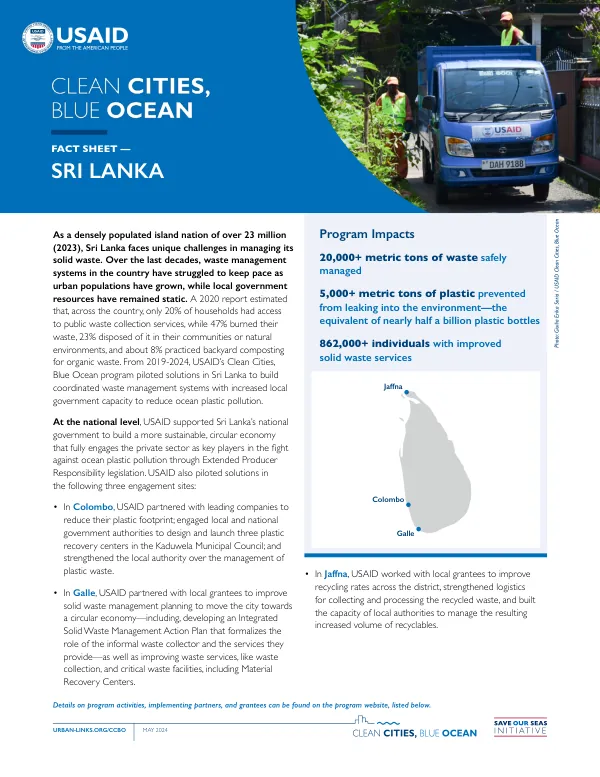
USAID DEC
Q&A
Soil degradation was attributed to intensive farming practices and lack of conservation tillage, while limited market access hindered farmers' ability to sell their produce at competitive prices.
2016 · 12 pages
Sign in to readA free account is required to download.
Abstract
The training programs emphasized the importance of crop rotation, composting, and conservation tillage to improve soil fertility and reduce erosion. This suggests that women in these households were more receptive to new agricultural practices and had a greater need for improved food security. The evaluation also found that the program had a positive impact on household food availability, with 75% of participants reporting improved access to nutritious food. The program's success can be attributed to the collaborative efforts of local government agencies, NGOs, and community leaders. The initiative's focus on sustainable agriculture practices and market access has not only improved crop yields but also enhanced the livelihoods of smallholder farmers in Rwanda. The program's impact is expected to be sustained through continued support from USAID and local stakeholders.
Classification
- Document type
- Fact Sheet