USAID DEC
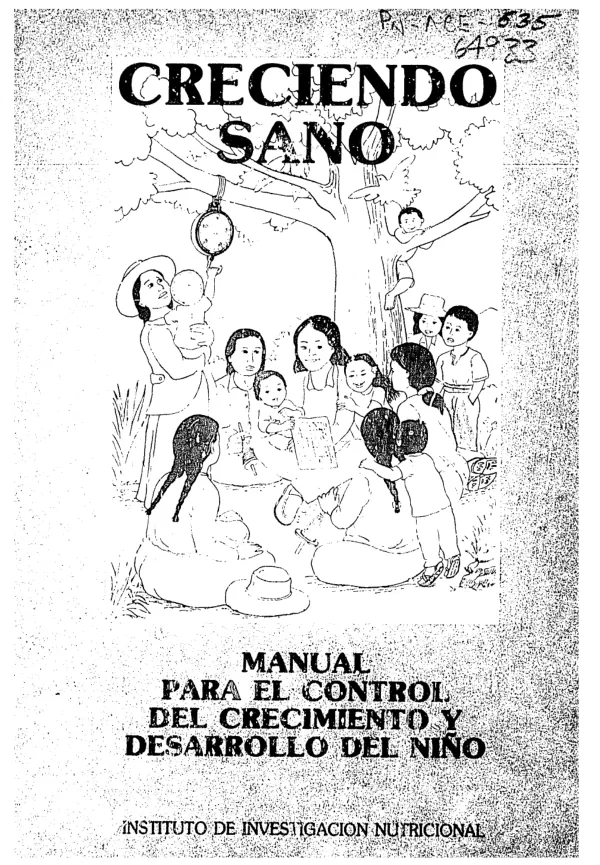
Recomendaciones para el Cuidado de la Madre y el Niño
The World Health Organization recommends exclusive breastfeeding for the first six months of a child's life.
2 pages
Sign in to readA free account is required to download.
Abstract
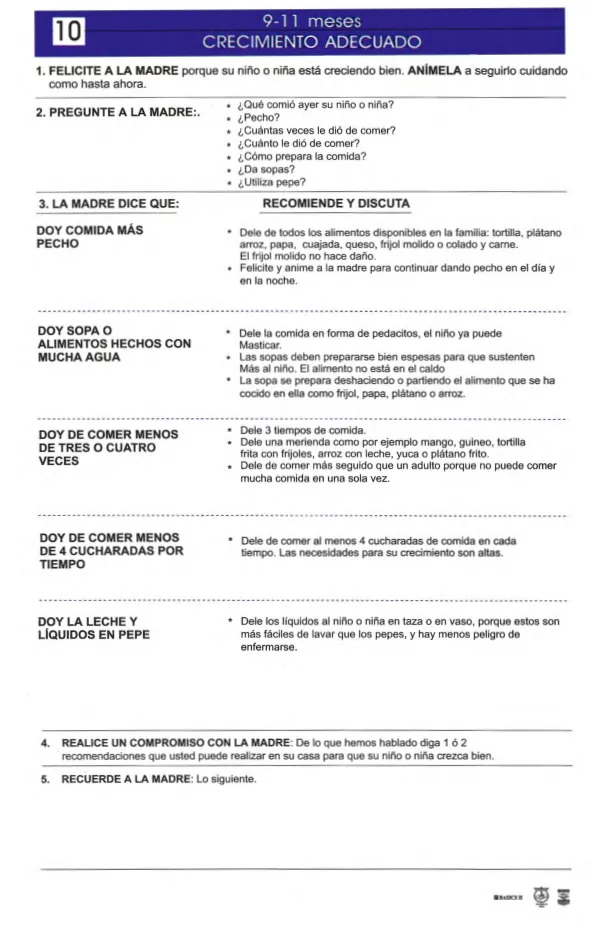
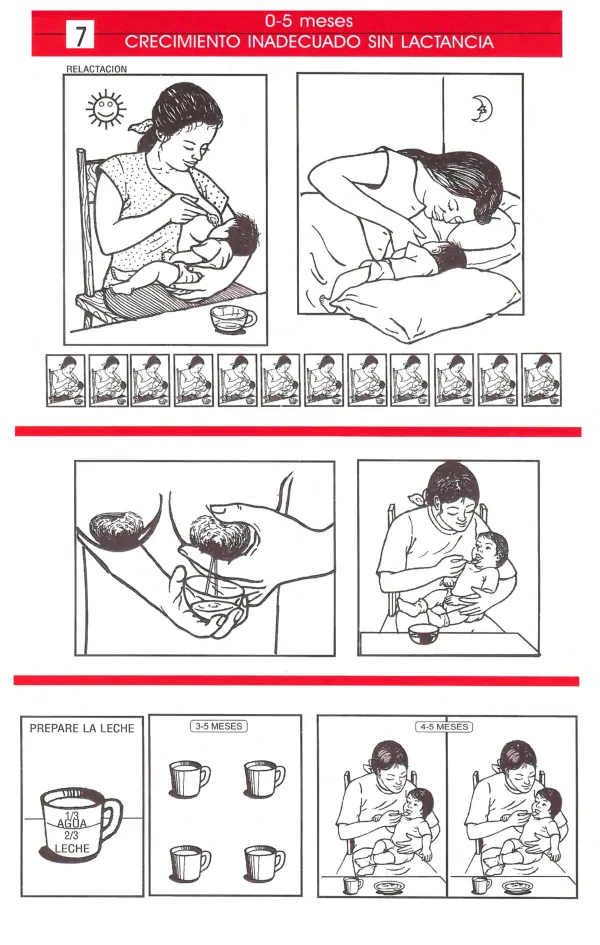
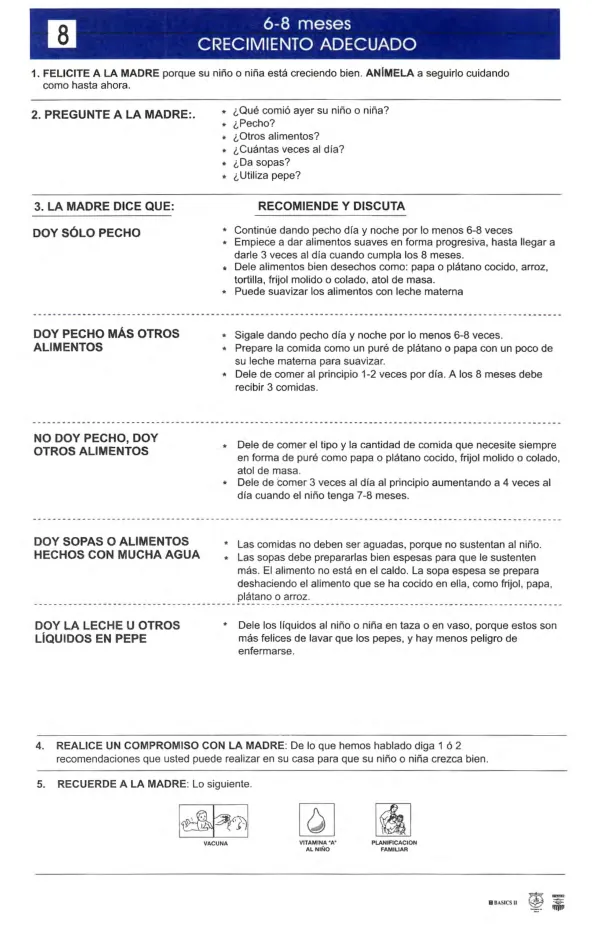
This period allows for optimal nutrient absorption and immune system development. Breast milk provides essential vitamins, minerals, and antibodies that support growth and overall health. Breastfeeding frequency and duration vary among mothers, but the American Academy of Pediatrics suggests a minimum of 6-8 feedings per day. As the child approaches 6 months, complementary foods can be introduced in a gradual and progressive manner. These foods should be soft and easy to digest, such as cooked fruits and vegetables, mashed potatoes, and pureed meats. Mothers who choose to breastfeed beyond 6 months can continue to do so, as long as the child is developmentally ready. However, it is essential to introduce complementary foods to ensure the child receives a balanced diet. The World Health Organization recommends a minimum of 3 meals per day by 8 months, with a gradual increase in frequency and variety of foods. The type and quantity of food provided to a child depend on their individual needs and developmental stage. Breast milk or formula should still be the primary source of nutrition until 12 months. Complementary foods should be introduced in small amounts and gradually increased as the child becomes accustomed to eating solid foods. Mothers who choose not to breastfeed can provide their child with a nutritious diet by introducing complementary foods from the start. These foods should be soft and easy to digest, such as pureed fruits and vegetables, and gradually increased in frequency and variety as the child becomes accustomed to eating solid foods. The preparation of complementary foods is crucial to ensure the child receives a balanced diet. Foods should be cooked and mashed or pureed to prevent choking hazards. The addition of breast milk or formula can help to thin out thick foods and make them easier to digest. Mothers should be aware of the importance of proper food preparation and storage to prevent foodborne illnesses. Foods should be stored in a clean and airtight container, and reheated to a safe temperature before serving. The introduction of solid foods can be a challenging and overwhelming experience for mothers. However, with proper guidance and support, they can provide their child with a nutritious and balanced diet that supports optimal growth and development. Mothers should be encouraged to seek guidance from healthcare professionals and registered dietitians to ensure their child receives a well-balanced diet. Regular check-ups and monitoring of the child's growth and development can help identify any potential issues early on. Ultimately, the key to a child's optimal growth and development lies in a combination of proper nutrition, regular check-ups, and a supportive environment. By following these guidelines, mothers can provide their child with the best possible start in life.
Related documents
Documents in this collection
USAID DEC
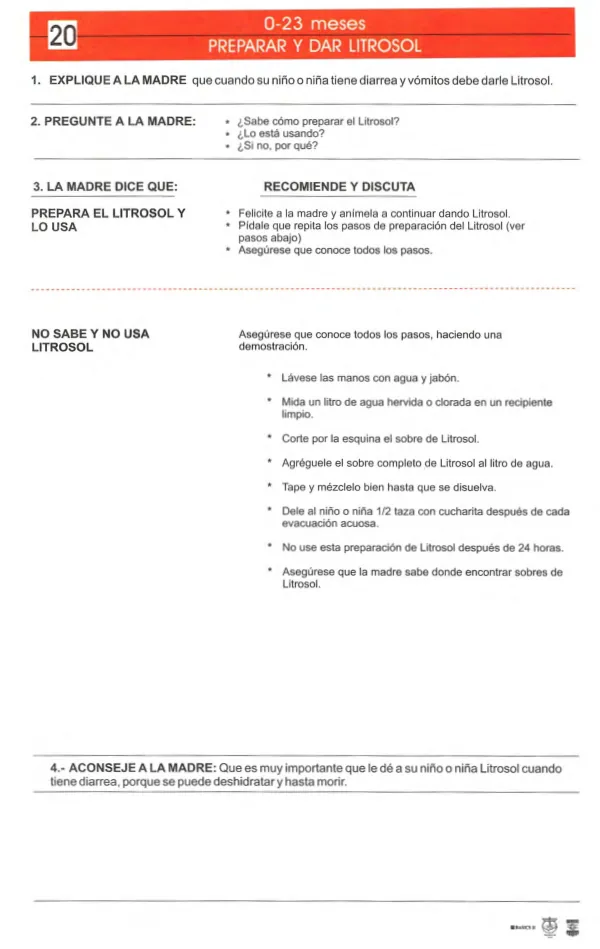
Recomendaciones para el uso de Litrosol en casos de diarrea en niños
Open record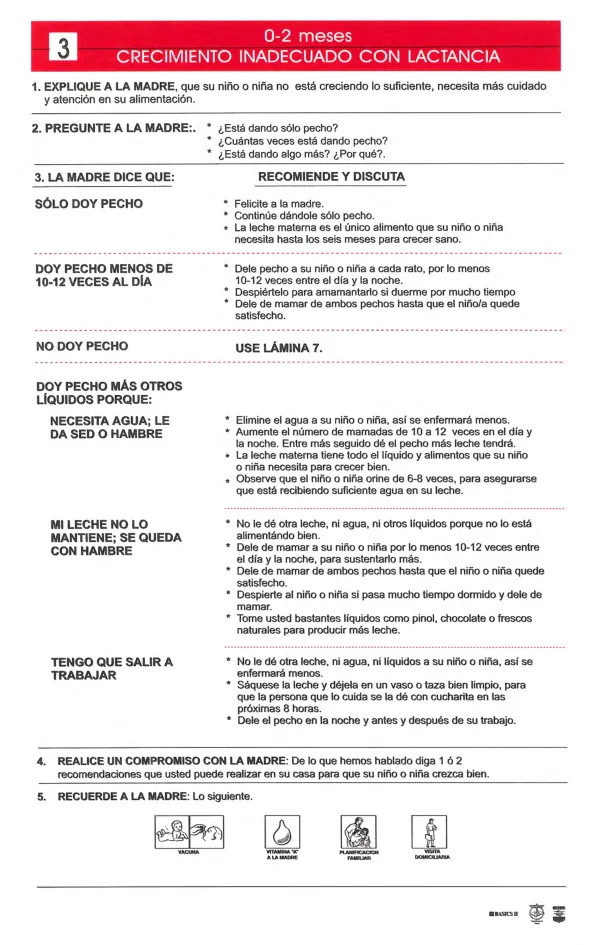
USAID DEC
Recomendaciones para el Crecimiento Sano de Niños y Niñas
Open record 2012
2012USAID DEC