TENNESSEE VALLEY AUTHORITY (TVA)
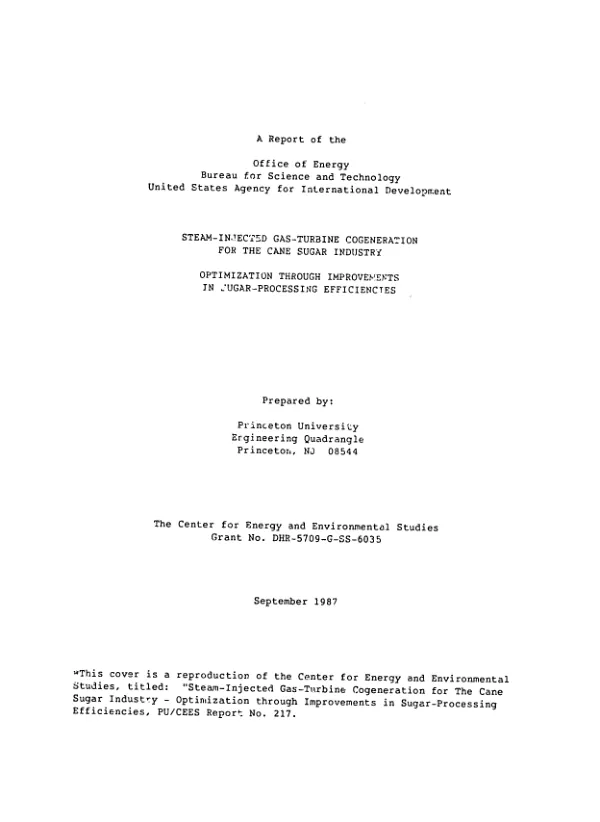
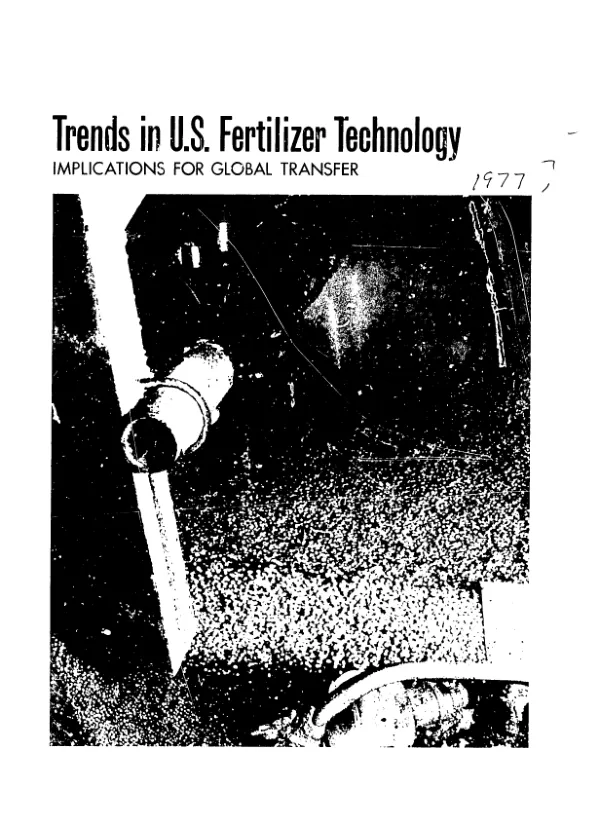
TRENDS IN US FERTILIZER TECHNOLOGY, IMPLICATIONS FOR GLOBAL TRANSFER
The U.S.
YOUNG, R. D.; ACHORN, F. P. · 1970
Sign in to readA free account is required to download.
Abstract
and world fertilizer industries, producers of the single most important input to food production, face great problems and challenges in the 1980"s. This report summarizes the historical development of the U.S. fertilizer industry and suggests future technological innovations and probable trends. The report opens with the history and geographic distribution of phosphate, nitrogen, potassium, mixed, bulk blended, granular, and fluid fertilizer production in the United States. The report next outlines important innovations which occurred in the 1970"s -- development of efficent production processes for granular urea, powdered MAP, and high-polyphosphate liquid fertilizers. Also provided are a discussion of storage practices at phosphate, nitrogen, and finished fertilizer plants; environmental safeguards in phosphate, nitrogen, potash, and finished fertilizer production, shipment, handling, storage, and application; and recent trends in fertilizer production energy use. Many fertilizer products and processes such as those for granular ammonium phosphate, granulation of urea and ammonium nitrate, urea synthesis, and bulk blending have been disseminated to developing countries over the past 40 years, largely through the efforts of USAID, other donors, and groups such as the Tennessee Valley Authority"s National Fertilizer Development Center. Although no new fertilizers are likely to soon become important, some modified products such as sulfur-coated urea, urea phosphate, and nitrogen solutions and new processes such as melt-type granulation and fertilizer compaction, flaking, tableting, and extrusion may become significant. The U.S. fertilizer industry in the 1980"s will likely witness: (1) continued segmentation of production and marketing of basic fertilizers; (2) greater use of coal as a feedstock for ammonia production; (3) increased bulk handling and shipment of all fertilizers; (4) a rise in production of fertilizers containing pesticides and herbicides; (5) greater emphasis on energy savings; and (6) more study and greater utilization of marginal phosphate ores. A 42-item bibliography (1954-77) is appended, and the text is highlighted by numerous diagrams and pictures.
Related documents