NATIONAL RESEARCH COUNCIL. OFC. OF INTERNATIONAL AFFAIRS. BOARD ON SCIENCE AND TECHNOLOGY FOR INTERNATIONAL DEVELOPMENT
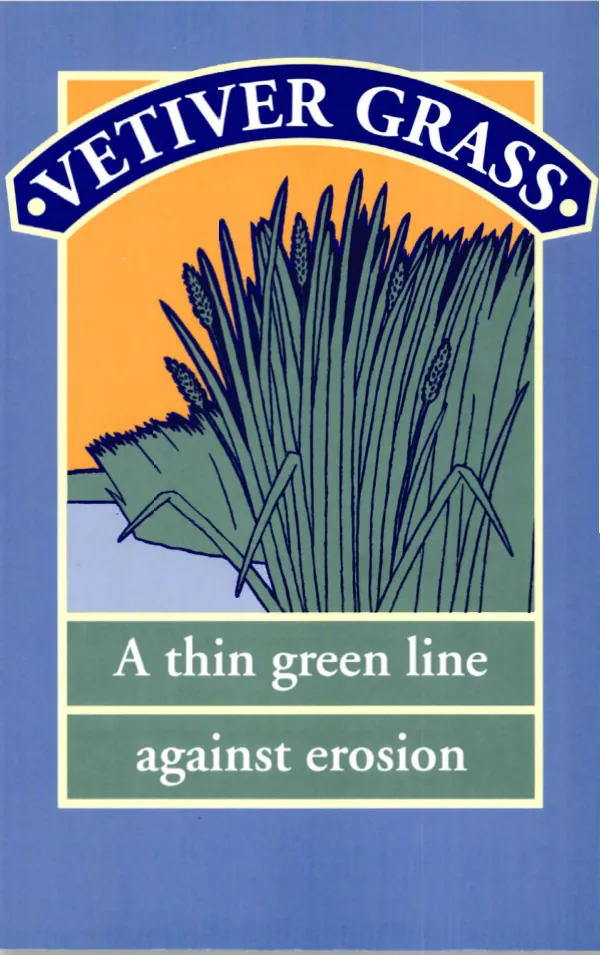
Vetiver grass : a thin green line against erosion
Vetiver, a deeply rooting, persistent tropical grass, has for decades been used to control erosion at sites in Fiji, India, and the Caribbean.
1970
Sign in to readA free account is required to download.
Abstract
Planted in lines along the contours of sloping lands, vetiver quickly forms narrow but very dense hedges, where its stiff foliage blocks the passage of soil and debris. It also slows runoff and gives rainfall a better chance of soaking into the soil instead of rushing off the slope. At present, however, no one knows whether vetiver might offer a practical solution to erosion worldwide. This report provides a preliminary assessment of the plant"s safety and effectiveness for erosion control. The report, based on a literature review, personal contacts, site visits, and correspondence with experts in agronomy, forestry, soil science, engineering, and other fields: (1) summarizes worldwide experiences with vetiver, including case studies from the United States, St. Lucia, India, Malaysia, South Africa, and Madagascar, concluding that vetiver, while not a panacea, offers great promise and should be subject to field trials without delay; (2) responds to 22 concerns commonly raised about vetiver; (3) provides technical information on the plant, its physiology, and ecology; and (4) identifies actions to expand vetiver use in an orderly, responsible, yet rapid manner. Extensive appendices provide: erosion "horror stories" (and how vetiver might have prevented them); information on other tropical grasses with similar potential for erosion control; a bibliography; and a list of research contacts.
Related documents