USAID
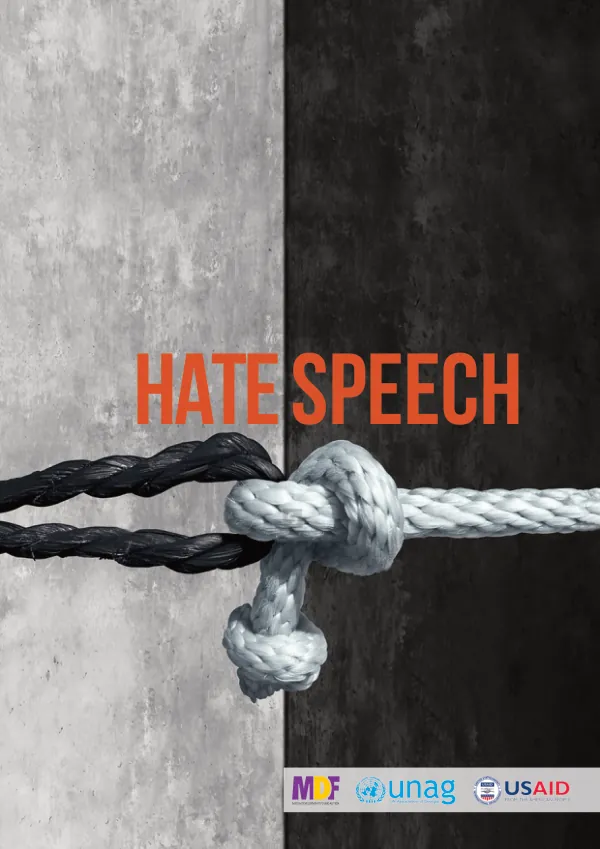
Anti-Western Propaganda: Hate Speech in Georgia
The Media Development Foundation (MDF) conducted a study on hate speech in Georgia from January 1 to December 31, 2017.
2018 · 46 pages
Sign in to readA free account is required to download.
Abstract
The study aimed to reveal hate speech and its sources in media and public discourse. The MDF partnered with the United Nations Association of Georgia and received financial support from the United States Agency for International Development (USAID) within the Promoting Integration, Tolerance and Awareness (PITA) Program. The study monitored 17 media outlets, including TV channels, online media outlets, and newspapers. The monitored subjects included daily prime-time news bulletins, weekly analytical programs, talk-shows, and online media outlets. The study also monitored politicians, clergy, civil organizations, and representatives of society. The study revealed a total of 1,926 discriminatory comments during the monitoring period. The largest share of these comments accounted for xenophobia (49.1%), followed by homophobia (38%), discrimination on the ground of religion (7.3%), hate speech on various grounds (4.5%), racism (1%), and one instance of discrimination on the ground of geographic location (0.1%). Compared to the previous year, the increase was observed in almost all types of discrimination. The sharpest increase was seen in xenophobic comments, mainly caused by the rise of anti-migrant attitudes. The study also observed an increase in Turkophobic and Armenophobic comments. Turkophobic comments were dominated by opinions that Turkey carries out its expansion in Georgia and that Turkey is not a strategic partner but a historical enemy. The study found that almost 65% of the total 140 instances of religious discrimination accounted for Islamophobia. Out of 20 racist comments, the majority was made by media. The highest number of hate speech comments were made by representatives of media and society, and they were equally distinguished for intolerance. Politicians made a significant number of hate speech comments, while civil organizations made a relatively less number of hate speech comments. The study identified six media outlets that frequently used hate speech towards various groups. Georgia and the World, a pro-Kremlin online outlet, was in the lead by the number of such comments. The study also found that the use of hate speech was most frequently observed in media outlets with an ethno-nationalistic or pro-Kremlin editorial policy. The study's findings suggest that hate speech is a significant problem in Georgia, and it is necessary to address this issue through education, awareness-raising, and media literacy programs. The study's recommendations include promoting tolerance and integration, improving media literacy, and increasing awareness about hate speech and its consequences. The study's methodology included monitoring media outlets, politicians, clergy, civil organizations, and representatives of society. The study used a combination of quantitative and qualitative data to analyze the types and sources of hate speech. The study's findings are based on a comprehensive analysis of the data collected during the monitoring period. The study's methodology and findings provide a comprehensive understanding of the problem of hate speech in Georgia. The study's results can be used to inform policies and programs aimed at promoting tolerance and integration, improving media literacy, and reducing hate speech.