USAID DEC
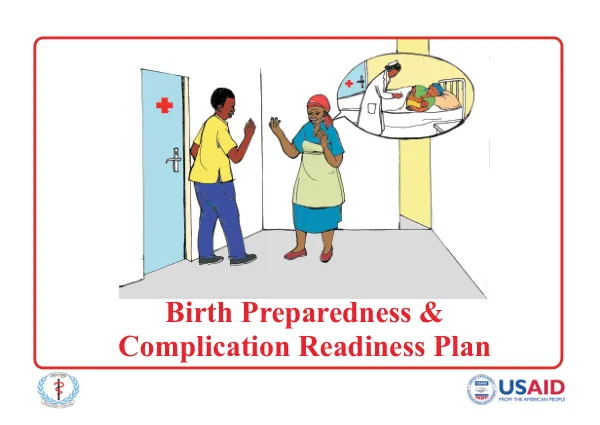
Birth Preparedness & Complication Readiness Plan
The Birth Preparedness and Complication Readiness Plan emphasizes the importance of antenatal care for pregnant women.
21 pages
Sign in to readA free account is required to download.
Abstract
Community health workers play a crucial role in motivating pregnant women to seek antenatal care, which involves visiting a health facility or health worker at least four times during the antenatal period. These visits enable health workers to monitor the progress of pregnancy, provide essential health services, and offer advice on how to prepare for a clean delivery. During antenatal care visits, pregnant women receive various health services, including tetanus vaccination to prevent tetanus, a disease that can be fatal to both the mother and child. They are also given iron folate tablets to prevent anemia. Additionally, health workers examine pregnant women to monitor their progress and assess their preparedness for delivery. The tetanus vaccine is administered to pregnant women to prevent tetanus, a disease that can be fatal to both the mother and child. Adequate nutrition is essential for pregnant women to ensure the health and well-being of both the mother and baby. Pregnant women are advised to eat more than usual every day, with a recommended four to five meals per day. A balanced diet should include vegetables, fresh fruits, dairy products, beans and nuts, grains, eggs, meat, and iodized salt. This diet helps to provide essential nutrients for the growth and development of the fetus. Rest and relaxation are also crucial for pregnant women. They are advised to avoid lifting heavy objects and to rest for at least two hours each day in a well-ventilated room. This helps to reduce the risk of complications and ensures a healthy pregnancy. By following these guidelines, pregnant women can reduce the risk of complications and ensure a healthy pregnancy.
Related documents