USAID DEC
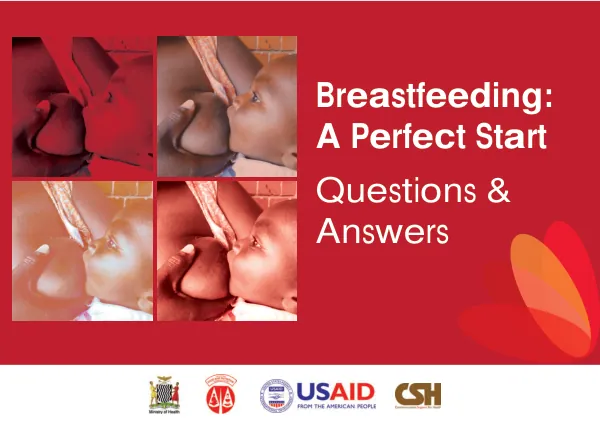
Breastfeeding: A Perfect Start Questions & Answers
Breastfeeding is widely recognized as the optimal method of infant nutrition, providing essential nutrients, antibodies, and a unique bonding experience for mothers and their newborns.
1 pages
Sign in to readA free account is required to download.
Abstract
The World Health Organization recommends exclusive breastfeeding for the first six months of life, with continued breastfeeding along with solid foods up to two years of age or beyond. The benefits of breastfeeding are numerous and well-documented. Breast milk contains the perfect mix of proteins, fats, carbohydrates, vitamins, and minerals necessary for infant growth and development. It also provides essential fatty acids, which support brain and eye development, and antibodies that protect against infections and diseases. Breastfeeding has been shown to reduce the risk of respiratory tract infections, diarrhea, and ear infections in infants, as well as lower the risk of sudden infant death syndrome (SIDS). Breastfeeding also offers numerous benefits for mothers, including a reduced risk of breast and ovarian cancer, type 2 diabetes, and postpartum depression. It can also help with weight loss and improve overall health. The American Academy of Pediatrics recommends that breastfeeding be continued for at least 12 months, with exclusive breastfeeding for the first six months. The initiation of breastfeeding is a critical period, with the first few hours after birth being particularly important. Skin-to-skin contact and early breastfeeding can help establish a strong bond between mother and baby, while also promoting milk production and a successful breastfeeding experience. The American Academy of Pediatrics recommends that newborns be placed on their mother's chest immediately after birth, with breastfeeding initiated within the first hour. Breastfeeding support and education are essential for new mothers, particularly in the early days and weeks after birth. This can include lactation consultants, breastfeeding support groups, and online resources. The World Health Organization recommends that all healthcare providers be trained in breastfeeding support and that hospitals and healthcare facilities have a breastfeeding-friendly environment. In many countries, breastfeeding rates are lower than recommended, with significant disparities in breastfeeding initiation and duration rates among different socioeconomic and racial/ethnic groups. Efforts to promote breastfeeding, such as breastfeeding-friendly policies and public education campaigns, are essential for improving breastfeeding rates and promoting the health and well-being of mothers and their infants.
Related documents