THE NATURE CONSERVANCY (TNC)
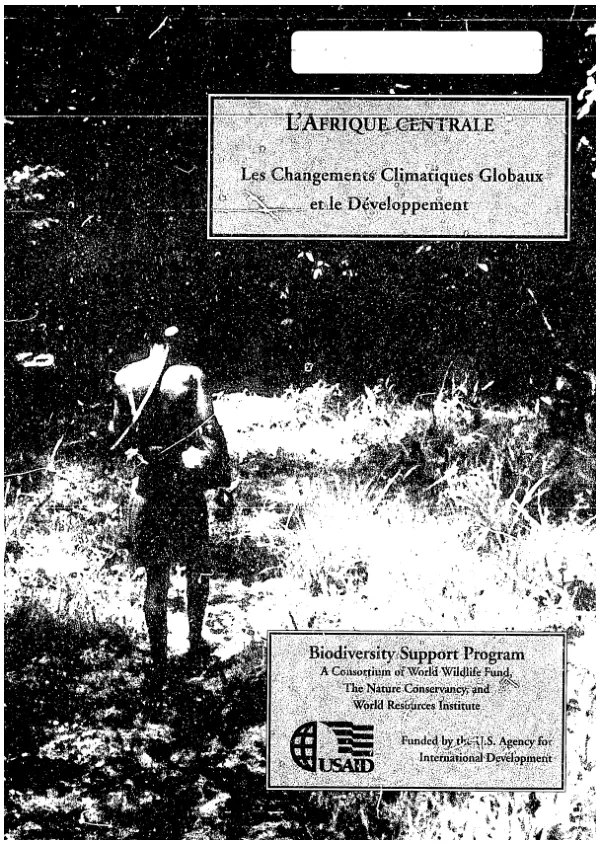
Central Africa : global climate change and development -- synopsis
Central Africa contains the largest remaining contiguous expanse of moist tropical forest on the African continent and the second largest in the world.
1970
Sign in to readA free account is required to download.
Abstract
However, deforestation rates are rising as the result of rapid population growth, inappropriate economic policies, economic downturns, and weak management capacities. If clearing rates continue to rise, a substantial amount of carbon dioxide will be released into the atmosphere, thus contributing to global climate change. This report summarizes a study designed as a first step in understanding the complex dynamics of the causes and effects of global climate change in Central Africa. The current state of the region"s forests, greenhouse gas emissions from deforestation and biomass burning, and the potential impacts of global climate change are discussed. This is followed by an overview of human interaction with the forests, and a discussion of the potential use of remote sensing and geological information systems in improving the quality of information and information management. The report concludes that Central Africa"s forests offer an opportunity to promote and apply forest management strategies, sustainable agriculture techniques, and more efficient biomass fuel use to prevent the social, economic, and environmental costs of forest loss that other nations have experienced. However, better quality and well-managed information is needed to provide the tools needed to develop in-country climate change analysis capabilities and to design and implement related policies.