FHI 360
Community Based Livelihood Development for Women and Children in Swaziland (CBLD)
The agricultural development initiative in Swaziland began in 2016 as part of the Community-Based Livelihood Development (CBLD) program.
2016 · 11 pages
Sign in to readA free account is required to download.
Abstract
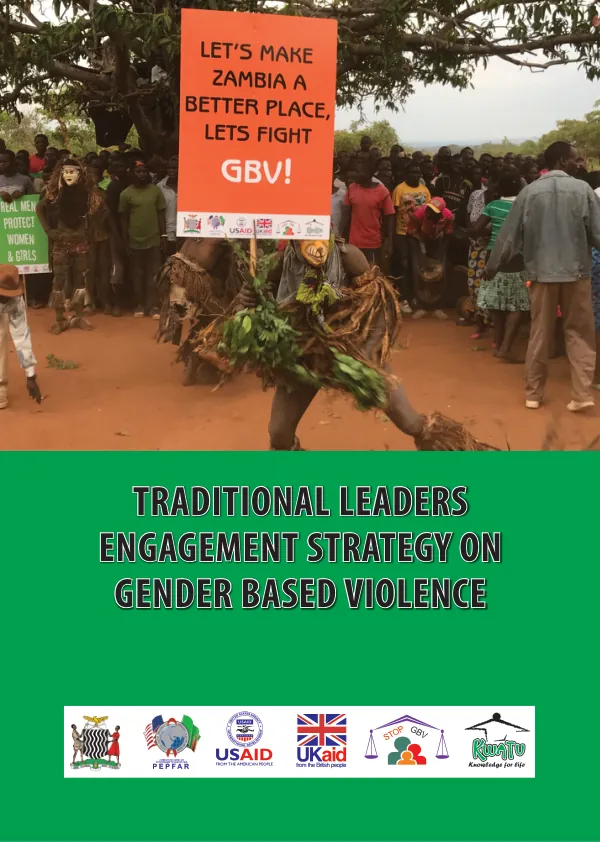
The program aimed to promote gender equitable principles, reduce stigma and discrimination associated with HIV/AIDS, and reduce gender-based violence. The CBLD program focused on using traditional leadership to engage community members, specifically adolescent boys and men, on gender norms. The program's methodology involved mobilizing traditional leaders to take the lead in promoting gender norms sessions, which aimed to foster healthier gender norms and promote non-harmful gender norms in the communities. The program identified the Sidla Inhloko concept, a traditional Swazi gathering for men and boys, as a way to support the engagement and motivation of men and boys. The first of multiple small group dialogs, which represented the voices of 313 participants, discussed topics such as power, health, HIV, health, and gender-based violence. The dialogs identified positive norms, including the joint responsibility of couples in family planning and the importance of respecting women's assertion in sexual matters. However, the dialogs also highlighted negative norms, such as the expectation that men should have control over their sexual urges and the use of violence against women. The CBLD program's approach to addressing gender norms and inequalities is essential to reducing HIV risk and access to HIV prevention and treatment services. The program's focus on promoting gender equitable principles and reducing stigma and discrimination associated with HIV/AIDS is critical to addressing the complex issues surrounding HIV/AIDS in Swaziland. The program's methodology, which involves mobilizing traditional leaders and using traditional leadership to engage community members, is a key component of its approach. The program's focus on promoting non-harmful gender norms and reducing gender-based violence is essential to addressing the root causes of HIV/AIDS in Swaziland. The CBLD program's results, which include promoting gender equitable principles, reducing stigma and discrimination associated with HIV/AIDS, and reducing gender-based violence, demonstrate the program's effectiveness in addressing the complex issues surrounding HIV/AIDS in Swaziland. The program's approach, which involves promoting non-harmful gender norms and reducing gender-based violence, is critical to addressing the root causes of HIV/AIDS in Swaziland. The CBLD program's geographic focus is on the communities of Kalanga, Malindza, and Khuphuka, where the program is working to promote gender equitable principles and reduce stigma and discrimination associated with HIV/AIDS. The program's timeframes are not specified, but the program is expected to continue its work in the communities, promoting non-harmful gender norms and reducing gender-based violence.
Related documents
Documents in this collection
 2013
2013USAID DEC
Community-Based Livelihood Development (CBLD) for Women and Children in Swaziland Quarterly Report Year 2 Quarter 3 (April 1, 2013 – June 30, 2013)
Open record 2016
2016USAID DEC