USAID DEC
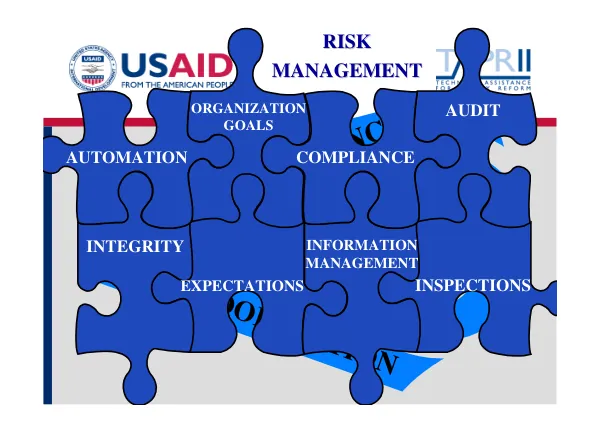
Compliance, Cooperation, Facilitation, Automation, Integrity, Organization, Goals, Expectations, Compliance, Information Management, Audit, Inspections, Risk, Risk Management
Sign inUSAID DEC
Compliance, Cooperation, Facilitation, Automation, Integrity, Organization, Goals, Expectations, Compliance, Information Management, Audit, Inspections, Risk, Risk Management
Compliance and risk management are critical components of organizational operations.
9 pages
Sign in to readA free account is required to download.
Abstract
The concept of compliance encompasses adherence to established standards, regulations, and guidelines, ensuring that business practices align with legal and industry requirements. Effective compliance frameworks facilitate cooperation among stakeholders, promote transparency, and mitigate potential risks. Automation plays a significant role in enhancing compliance and risk management processes. By leveraging technology, organizations can streamline audit and inspection procedures, reducing manual errors and improve data accuracy. This enables more efficient risk management, allowing companies to identify and address potential vulnerabilities before they escalate into major issues. Risk management is a multifaceted discipline that involves identifying, assessing, and mitigating potential risks. Organizations must continually evaluate and update their risk management strategies to stay ahead of emerging threats and capitalize on new opportunities. This requires a proactive approach to information management, ensuring that relevant data is collected, analyzed, and disseminated to stakeholders in a timely manner. The goals and expectations of compliance and risk management initiatives are closely tied to an organization's overall objectives. By prioritizing compliance and risk management, companies can minimize the risk of financial losses, reputational damage, and regulatory penalties. This, in turn, enables them to focus on strategic growth and innovation, driving long-term success and competitiveness. Effective information management is essential for informed decision-making and informed decision-making is critical for compliance and risk management. Organizations must establish robust information management systems to collect, store, and analyze data from various sources. This includes implementing robust audit and inspection procedures to ensure the accuracy and reliability of data. By doing so, companies can make informed decisions about risk management and compliance, ultimately driving business success.
Related documents