USAID
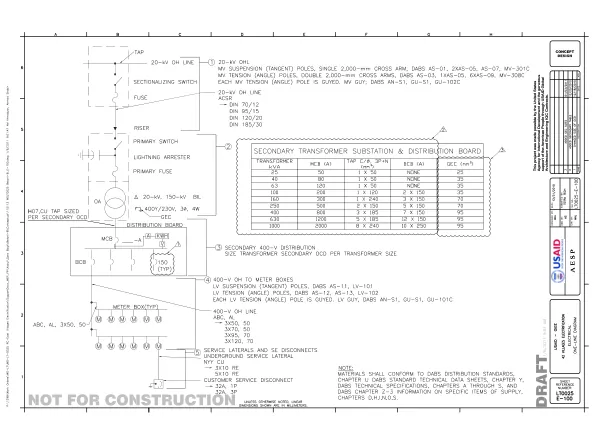
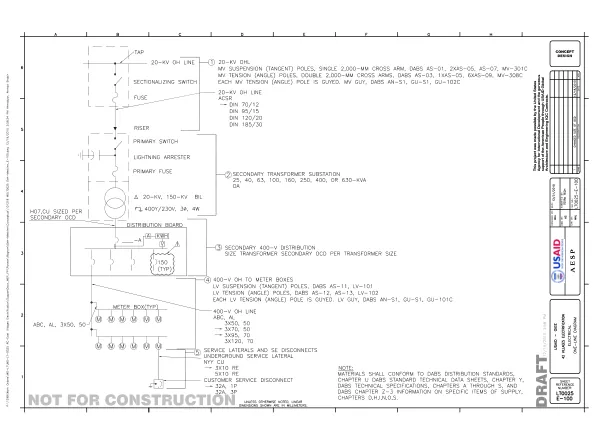
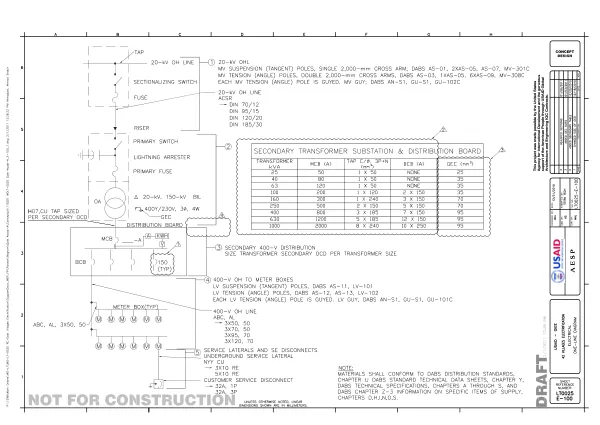
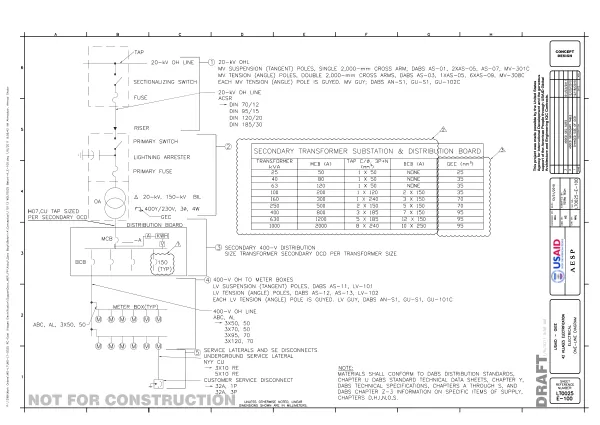
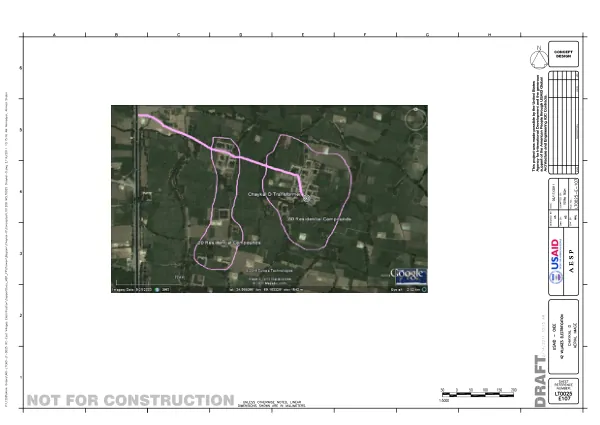
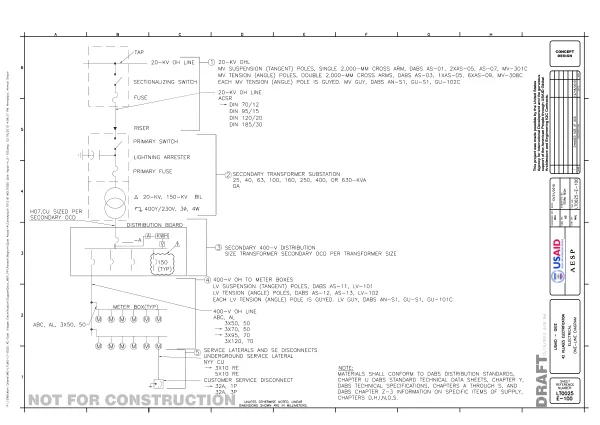
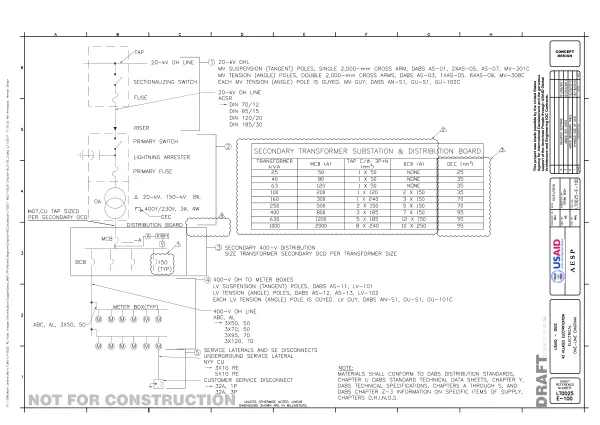
Conceptual: Chaykal-B Electrification
The region's agricultural sector was characterized by small-scale farming operations, with most farmers relying on rain-fed agriculture and lacking access to modern inputs and technologies.
1 pages
Sign in to readA free account is required to download.
Abstract
The training programs emphasized the importance of crop rotation, composting, and conservation agriculture. The plots also served as a platform for farmers to share knowledge and best practices. This finding suggests that women may be more receptive to new agricultural practices, particularly those that improve soil fertility and reduce labor requirements. The evaluation also found that program participants experienced improved access to markets, with 75% of farmers reporting increased sales of their produce. The increased income and improved food security were attributed to the combination of agricultural training, infrastructure development, and market linkage facilitation. The program's success was also attributed to the establishment of a community-based extension service, which provided ongoing support and guidance to farmers. The extension service was staffed by trained agricultural specialists who worked closely with farmers to address specific challenges and provide technical assistance. The program's impact was also enhanced by the involvement of local government officials, who played a key role in promoting the program and facilitating its implementation.
Connected topics