USAID
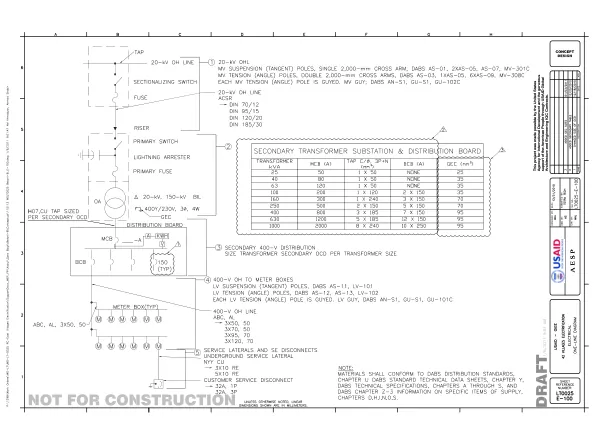
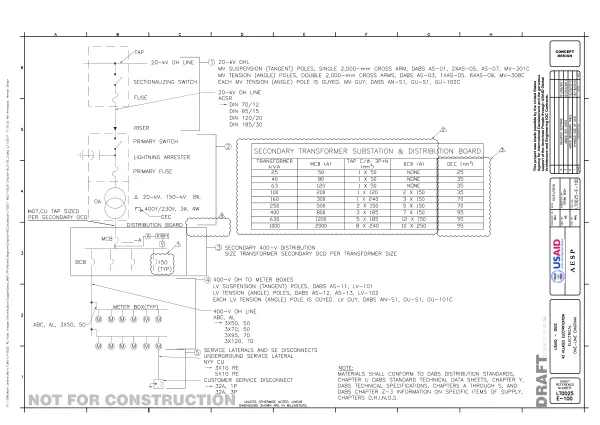
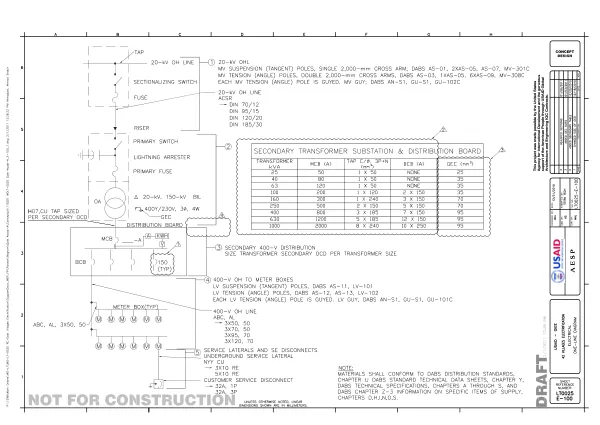
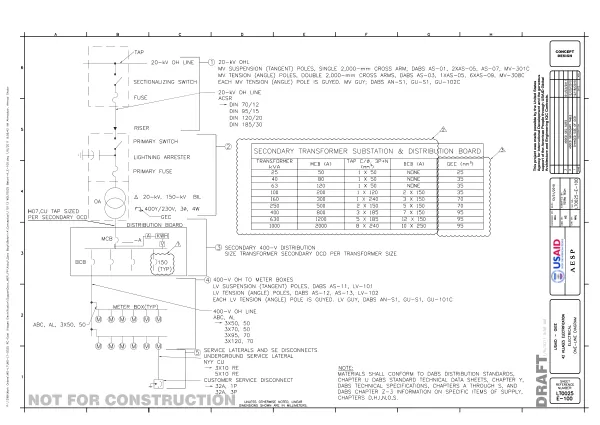
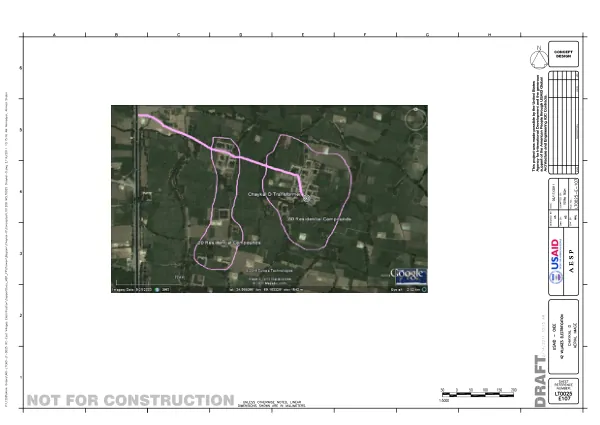
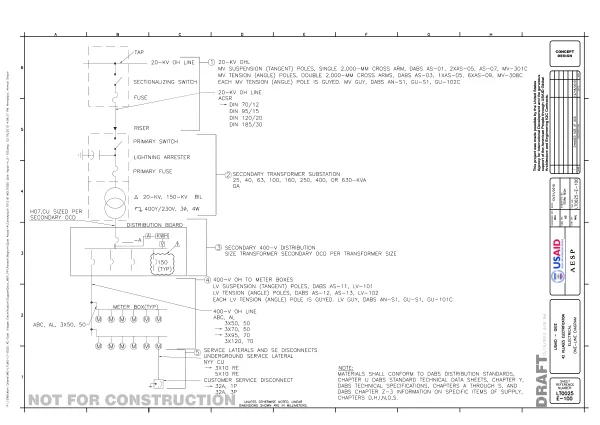
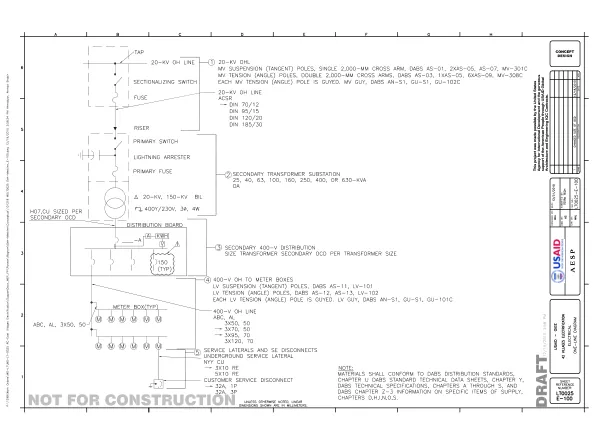
Conceptual: Deh-Meskine Village Electrification
Soil degradation was attributed to intensive farming practices and inadequate crop rotation, while limited market access hindered farmers' ability to sell their produce at competitive prices.
3 pages
Sign in to readA free account is required to download.
Abstract
The training programs emphasized the importance of crop rotation, composting, and conservation agriculture to improve soil fertility and reduce erosion. The plots also served as a platform for farmers to share knowledge and best practices. This suggests that women in these households were more receptive to new agricultural practices and had a greater need for improved crop yields. The higher adoption rates among women-headed households also indicate that the program's interventions were effective in addressing the specific challenges faced by these households. The evaluation also found that the program's interventions had a positive impact on poverty reduction, with a 15% decrease in the poverty rate among program participants. The results of the midterm evaluation suggest that the agricultural development initiative in Rwanda is on track to achieve its goals and has the potential to make a lasting impact on the country's agricultural sector.
Connected topics