NATIONAL RESEARCH COUNCIL. OFC. OF INTERNATIONAL AFFAIRS. BOARD ON SCIENCE AND TECHNOLOGY FOR INTERNATIONAL DEVELOPMENT
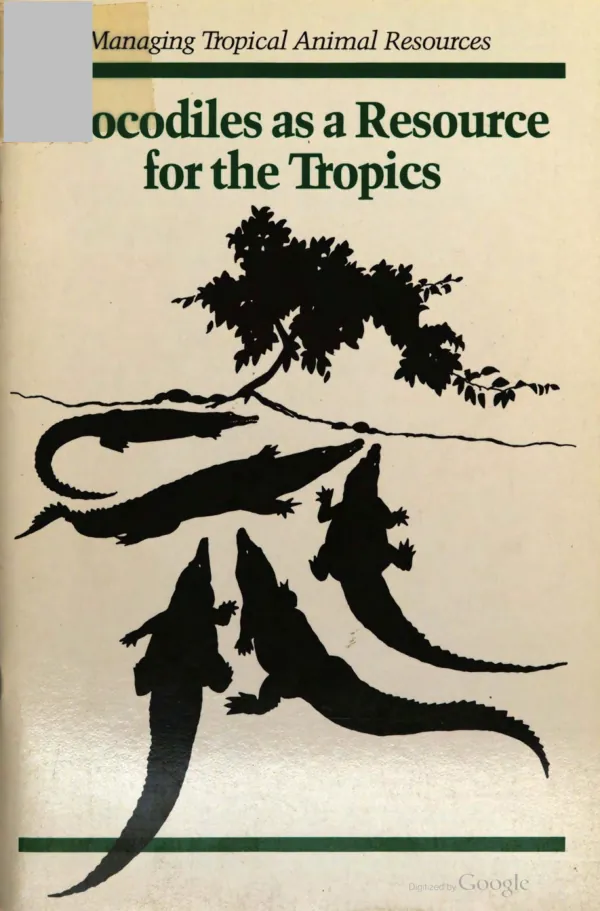
Crocodiles as a resource for the tropics
In many parts of the world, crocodile species are endangered by habitat destruction and, especially by illegal hunting and poaching for hides.
Ayensu, Edward S.; Campbell, Howard W. · 1970
Sign in to readA free account is required to download.
Abstract
This report describes a crocodile rearing program in Papua New Guinea which combines strong conservation measures that protect wild crocodilies with a scientifically managed, economically successful hide industry. Papuan legislation protecting breeding-size crocodiles has provided a stimulus for gathering small crocodiles from the wild and rearing them to moderate size on farms. Today there are about 300 small village farms which supply a number of larger crocodile rearing businesses. Thus, the rural poor are given an an economic incentive for conserving crocodiles in the wild as well as an opportunity to participate in the economic benefits of selling crocodile hides. Among the other advantages of organized crocodile farming are: regular harvesting of a specified number of animals; provision of a standardized premium product for the hide industry; government monitoring; and the availability of sites for scientific crocodile study. The success of a crocodile farming program like that in Papua New Guinea, it is stressed, depends on strict law enforcement and on international cooperation in controlling the trade in crocodile skins. Appended are: information on crocodile farming in other countries; a practical guide to crocodile farming; and lists of research contacts and selected readings.
Related documents