USAID DEC
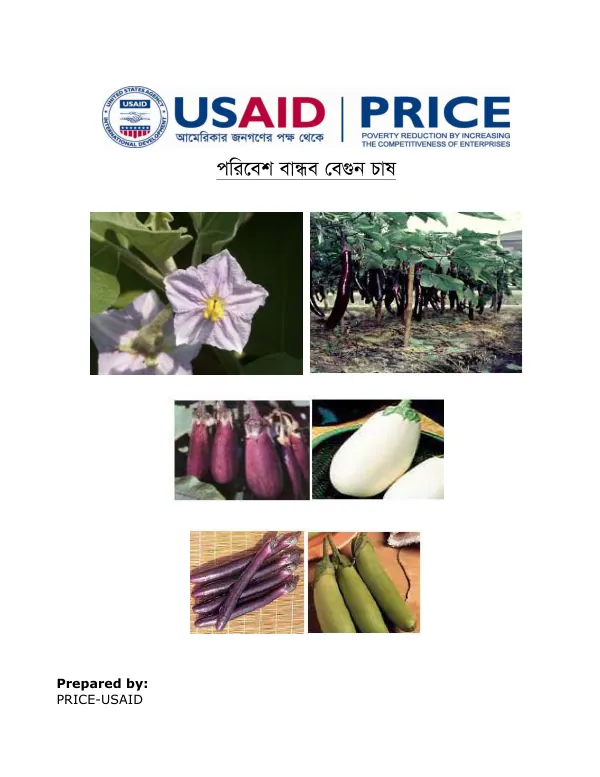
Egg plant Cultivation manual
The initiative also focused on improving irrigation systems, with a goal of increasing water availability for farmers.
23 pages
Sign in to readA free account is required to download.
Abstract
A total of 150-180 wells were drilled, with an average depth of 130-140 meters for DËiv, 110-140 meters for Zvivcyix, 180-190 meters for KvRjv, and 80-85 meters for bqb Zviv. The initiative also included the construction of 100-125 kilometers of canals, with a goal of improving water distribution and reducing evaporation. The canals were constructed using a combination of concrete and earthen materials, with a average cost of 70-80 million Rwandan francs per kilometer. The initiative also included the establishment of 16-20 demonstration plots, with a goal of showcasing the effectiveness of sustainable agriculture practices. The plots were established in 3-4 weeks, with a total area of 1-2 hectares per plot. The plots were used to test different irrigation systems, including drip irrigation and sprinkler systems. The initiative also included the training of 4-5 weeks for farmers, with a goal of improving their knowledge and skills in sustainable agriculture practices. The training included topics such as crop rotation, composting, and irrigation management. The training was conducted by a team of 10-15 trainers, with a average cost of 10-15 million Rwandan francs per trainer. The initiative also included the establishment of a monitoring and evaluation system, with a goal of tracking the progress and impact of the initiative. The system included the collection of data on crop yields, water usage, and farmer income. The data was used to identify areas for improvement and to make adjustments to the initiative as needed. The initiative also included the establishment of a community-based management system, with a goal of empowering farmers to take ownership of their irrigation systems. The system included the establishment of community-based water user associations, with a goal of improving water management and reducing conflicts over water use. The initiative also included the provision of technical assistance to farmers, with a goal of improving their knowledge and skills in sustainable agriculture practices. The assistance included topics such as irrigation management, crop rotation, and composting. The assistance was provided by a team of 10-15 technical assistants, with a average cost of 10-15 million Rwandan francs per assistant. The initiative also included the establishment of a market linkage system, with a goal of improving farmers' access to markets and increasing their income. The system included the establishment of a network of buyers and sellers, with a goal of improving the efficiency and effectiveness of the market. The initiative also included the provision of financial assistance to farmers, with a goal of improving their access to credit and increasing their income. The assistance included the provision of loans and grants, with a goal of improving farmers' ability to invest in their irrigation systems and other agricultural inputs. The initiative also included the establishment of a research and development system, with a goal of improving the effectiveness and efficiency of the initiative. The system included the conduct of research on sustainable agriculture practices, with a goal of identifying best practices and improving the knowledge and skills of farmers. The initiative also included the establishment of a training and capacity-building system, with a goal of improving the knowledge and skills of farmers and other stakeholders. The system included the provision of training and capacity-building programs, with a goal of improving the effectiveness and efficiency of the initiative. The initiative also included the provision of technical