U.S. LIBRARY OF CONGRESS
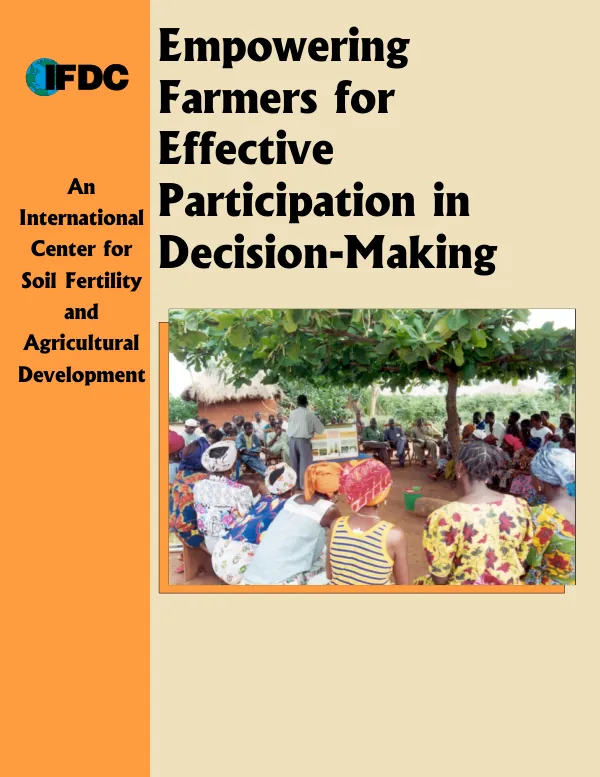
Empowering farmers for effective participation in decision-making
The book "Empowering farmers for effective participation in decision-making" by S.
37 pages
Sign in to readA free account is required to download.
Abstract
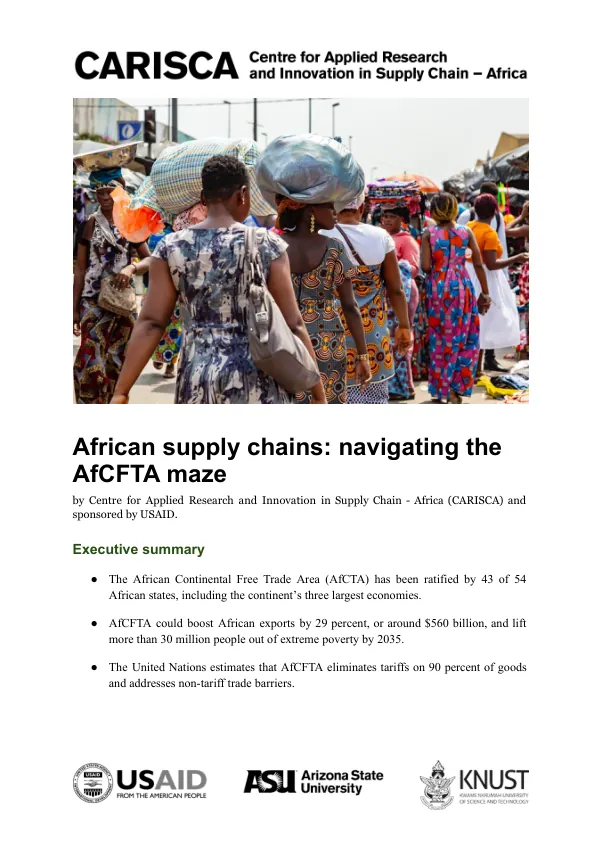
Kofi Debrah and E. Suzanne Nederlof explores the role of farmers in decision-making processes in Africa. The authors examine the social, economic, and political factors that influence farmers' participation in decision-making, with a focus on cooperative societies and rural development. The book highlights the importance of empowering farmers to participate effectively in decision-making processes. The authors argue that farmers' participation is crucial for sustainable agricultural development, poverty reduction, and improved food security. They also emphasize the need for farmers to have a voice in decision-making processes that affect their livelihoods. The book provides a comprehensive analysis of the factors that influence farmers' participation in decision-making. The authors examine the role of social capital, institutional frameworks, and policy environments in shaping farmers' participation. They also discuss the challenges faced by farmers in participating in decision-making processes, including limited access to information, lack of representation, and inadequate capacity building. The authors propose several strategies for empowering farmers to participate effectively in decision-making processes. These include strengthening social capital, improving institutional frameworks, and enhancing farmers' capacity building. They also emphasize the need for policy reforms that promote farmers' participation and representation in decision-making processes. The book provides a wealth of information on the role of farmers in decision-making processes in Africa. It is a valuable resource for policymakers, researchers, and practitioners working in the fields of agricultural development, rural development, and poverty reduction. The book's findings and recommendations have important implications for promoting sustainable agricultural development, improving food security, and reducing poverty in Africa. The book's focus on empowering farmers to participate effectively in decision-making processes is particularly relevant in the context of Africa's agricultural sector. The sector is a critical component of the continent's economy, employing millions of people and generating significant revenue. However, the sector faces numerous challenges, including limited access to markets, inadequate infrastructure, and climate change. Empowering farmers to participate effectively in decision-making processes can help address these challenges and promote sustainable agricultural development. By giving farmers a voice in decision-making processes, policymakers and practitioners can ensure that their needs and concerns are taken into account. This can lead to more effective policies and programs that promote agricultural development, improve food security, and reduce poverty. In conclusion, the book "Empowering farmers for effective participation in decision-making" by S. Kofi Debrah and E. Suzanne Nederlof provides a comprehensive analysis of the factors that influence farmers' participation in decision-making processes in Africa. The authors propose several strategies for empowering farmers to participate effectively in decision-making processes, including strengthening social capital, improving institutional frameworks, and enhancing farmers' capacity building. The book's findings and recommendations have important implications for promoting sustainable agricultural development, improving food security, and reducing poverty in Africa.