ACADEMY FOR EDUCATIONAL DEVELOPMENT, INC. (AED)
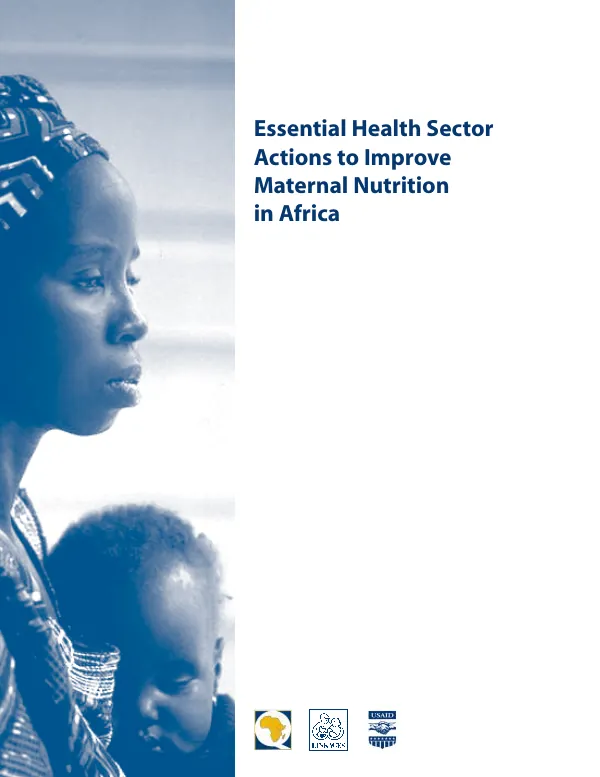
Essential health sector actions to improve maternal nutrition in Africa
Despite its importance for maternal and infant survival and health, maternal nutrition has received little attention within health, population, and nutrition programs.
Huffman, Sandra L.; Zehner, Elizabeth R. · 2001
Sign in to readA free account is required to download.
Abstract
Maternal nutrition interventions have often been dismissed as too complicated or too expensive. In many African countries, chronic energy deficiency, poor weight gain in pregnancy, anemia, and other micronutrient deficiencies are common among women. Sub- Saharan Africa leads the world with the highest fertility rates and the highest percentage of adolescent pregnancies, HIV/AIDS infections, and malaria cases. These conditions further undermine nutritional status. Improving maternal nutrition will depend in part on changing maternal behaviors. This paper proposes a set of essential health sector actions to achieve five nutrition-related outcomes: (1) adequate food intake during pregnancy and lactation; (2) adequate micronutrient intake during pregnancy and lactation; (3) reduction of malaria infection in pregnant women in endemic areas; (4) reduction of hookworm infection in pregnant women in endemic areas; and (5) birth spacing of 3 years or longer. For maximum effect, improving nutritional status of women should begin prior to pregnancy. The actions discussed in this paper, however, begin in pregnancy, a time when health systems can more easily reach women. The goal is to provide policymakers and program managers with the background necessary to introduce these important actions into existing health programs. The paper is divided into two sections. Section I includes a chapter on the prevalence and causes of maternal malnutrition in Africa and another chapter on the consequences of maternal malnutrition. Section II includes a chapter for each of the five outcomes. The five chapters outline actions the health sector and women can take to achieve these outcomes and conclude with a discussion of program experience in implementing the essential actions. (Author abstract, modified)