USAID DEC
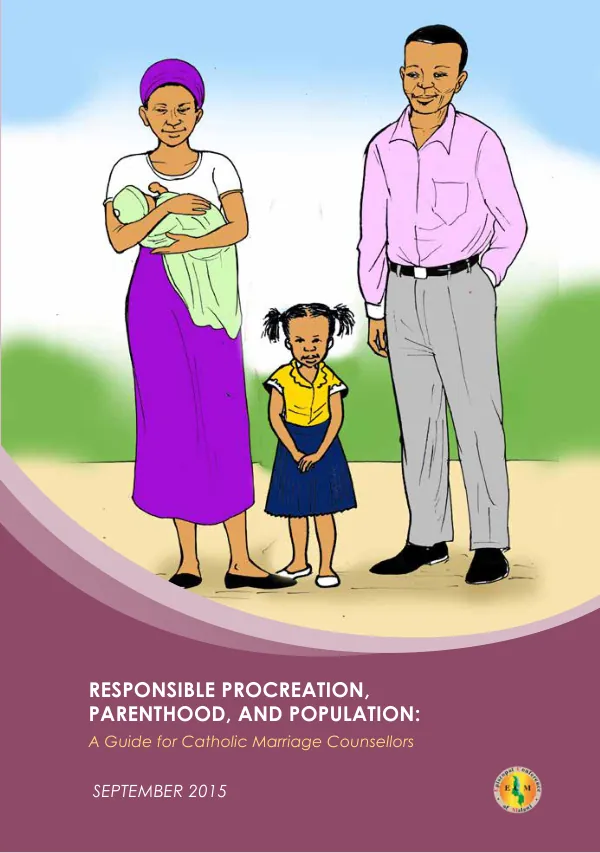
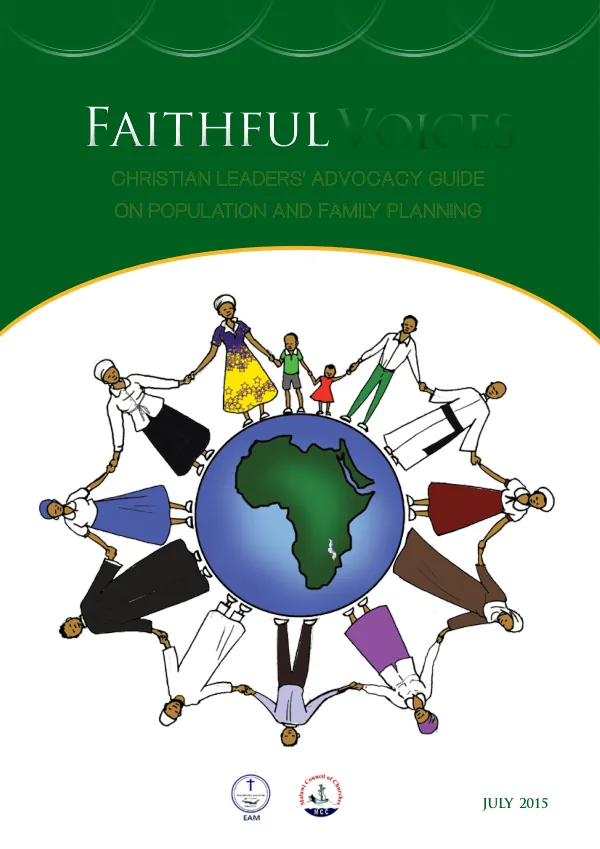
Faithful Voices: Christian Leaders' Advocacy Guide on Population and Family Planning
Sign inTHE HEALTH POLICY PROJECT
Faithful Voices: Christian Leaders' Advocacy Guide on Population and Family Planning
Malawi is one of the fastest-growing countries in sub-Saharan Africa, with its population having more than tripled over the past 40 years.
2015 · 60 pages
Sign in to readA free account is required to download.
Abstract
The country's population is expected to triple again by 2040, putting a significant strain on the environment, economy, and communities. High fertility rates, combined with a lack of services to support the healthy timing and spacing of pregnancies, are major contributors to the rapid population growth. The high fertility rate is also having a negative impact on the health and well-being of women, children, and families. Environmental degradation, significant impacts on health, education, and the economy are all consequences of the growing population. Recently, religious leaders from different faith communities have come together to address common concerns related to family planning, reproductive health, and population growth. In 2012, representatives from Malawi's religious "mother bodies" assembled to discuss how they could become more involved in these issues. The result was an interfaith effort, through which religious leaders implemented "population weekends" in several districts. These population weekends were supported by the USAID-funded Health Policy Project, in collaboration with the Population Unit of the Ministry of Economic Planning and Development (MEPD), and succeeded in mobilizing communities, raising their awareness of the impacts of population growth, and fostering discussions about the benefits of planning families. Religious leaders in Malawi have a key role to play in addressing population and family planning issues. As trusted role models and guides, they have a responsibility to raise awareness in their communities about the impacts of population growth and to discuss how planning families can increase the health and well-being of families, communities, and the nation as a whole. The Bible teaches that faith is both manifested and perfected through works, and that faith without works is dead. This guide represents the faith in action of religious leaders in Malawi, who are committed to addressing population and family planning issues in their communities. The purpose of this guide is to provide religious leaders with the knowledge and tools they need to effectively advocate for population and family planning issues in their communities. The guide is intended to strengthen the role of religious leaders in addressing these issues and to provide them with a framework for implementing effective advocacy strategies. The guide covers topics such as population growth, family planning, and reproductive health, and provides information on how to engage in advocacy efforts, including the advocacy process and implementing key activities. The guide is the result of a collaborative effort between the Health Policy Project, the Evangelical Association of Malawi (EAM), the Episcopal Conference of Malawi (ECM), the Malawi Council of Churches (MCC), the Seventh Day Adventists (SDA), and the Qadria Muslim Association of Malawi (QMAM). The guide is intended to be a resource for religious leaders in Malawi, and to provide them with the knowledge and tools they need to effectively address population and family planning issues in their communities. Religious leaders in Malawi have a unique opportunity to make a positive impact on the lives of their congregants and communities. By advocating for population and family planning issues, they can help to improve the health and well-being of women, children, and families, and contribute to the overall development of the nation. This guide is intended to provide religious leaders with the knowledge and tools they need to effectively seize this opportunity and make a positive impact in their communities.