MERCY CORPS INTERNATIONAL
Flood Response in Gedaref, Sudan: Baseline Report
The flood response initiative in Gedaref, Sudan, aims to provide vulnerable households with access to food and basic services in the aftermath of flood emergencies.
2021 · 13 pages
Sign in to readA free account is required to download.
Abstract
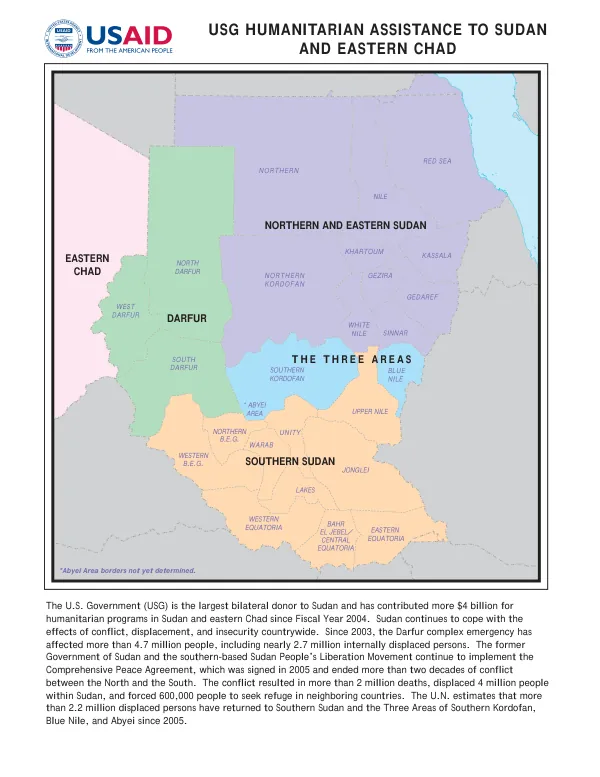
The program targets 5,833 households (35,000 individuals) in Gedaref state, particularly in El Qureshia, Elrahad, and El Fao localities. The baseline report provides initial values for key program indicators, including food consumption scores and reduced coping strategy indices. The baseline survey was conducted from August 2 to August 10, 2021, and involved 389 surveys. The results showed that almost a quarter (24%) of the surveyed population had a food consumption score categorized as "Poor." The majority of households (49%) had a moderate or severe household score, with females showing a higher score (food insecure) of 37.1% compared to 25.4% of male-headed households. This implies that about 1 in 5 target participant households were severely food insecure and would require some form of food interventions. The reduced coping strategy index (rCSI) was used to measure changes in negative coping strategies. The baseline assessment showed that there continues to be a strong need for programming among vulnerable populations in the target state. The survey demonstrates a clear need for targeted cash, WASH, and agricultural support to address high levels of food insecurity, which has been exacerbated by recent flooding. The baseline survey design used a quantitative method approach, establishing point estimates of key indicators in the logframe. The survey was conducted in the three localities of Elrahad, El Qureshia, and El Fao, and all households assessed were IDPs, returnees, or members of host communities. The sampling design and procedures involved selecting administrative units and villages using local authorities, relevant coordination fora, and accessibility of the areas due to flooding. The data collection instruments used a survey questionnaire that collected information on socio-demographic characteristics of households, household expenditure profiles, coping strategies, household food security parameters, and WASH details. The baseline values were set based on the 389 surveys conducted, and the results will be compared to achievements measured through the endline survey at the end of the program. The program aims to reduce negative coping strategies among vulnerable conflict-affected households. The reduced coping strategy index (rCSI) will be used to measure changes in these strategies by comparing the baseline with post-distribution monitoring (PDM) and the endline. The program's main goals include reducing the negative coping strategies among vulnerable households and improving their food security and livelihoods. The baseline report provides a comprehensive overview of the current condition of households in the targeted localities. The results will inform the program's implementation and provide measurable indications of its achievements. The program's effectiveness will be monitored and assessed through the endline survey, which will compare the baseline values with the achievements measured at the end of the program.
Related documents