USAID DEC
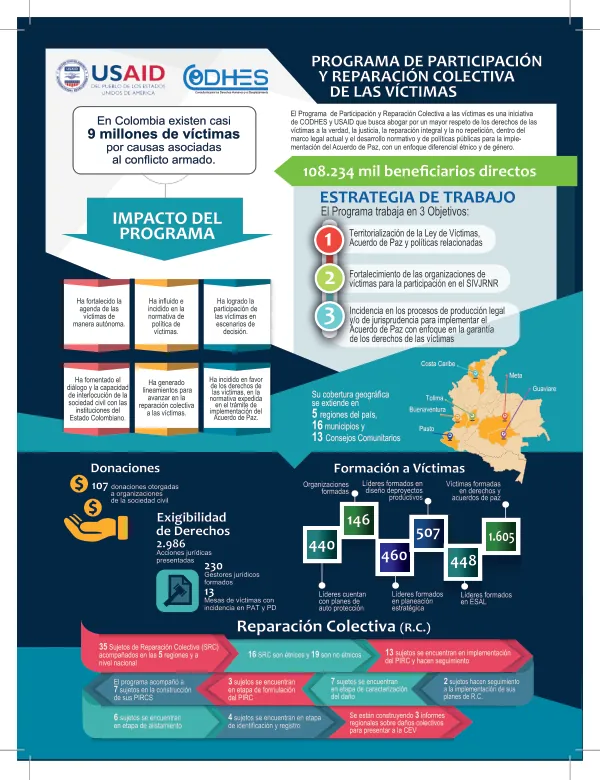
infografia codhes español
The region's agricultural sector was characterized by small-scale farming, with most farmers relying on manual labor and limited access to modern inputs.
2019 · 2 pages
Sign in to readA free account is required to download.
Abstract
The training programs emphasized the importance of crop rotation, composting, and conservation agriculture to improve soil fertility and reduce soil erosion. This suggests that women may be more receptive to new agricultural practices, potentially due to their greater involvement in household food production and preparation. The program's success can be attributed to the integrated approach, which addressed both the supply-side constraints (e.g., limited access to inputs and markets) and demand-side factors (e.g., lack of knowledge and skills among farmers). The initiative's geographic focus was on Eastern Province, where the majority of Rwanda's agricultural production takes place. The program's timeframes were set for a three-year period, with the first year focused on implementation and the second and third years dedicated to monitoring and evaluation. The program's recommendations emphasized the need for continued support for small-scale farmers, particularly women-headed households, to improve their access to markets and modern inputs.
Classification
- Document type