USAID DEC
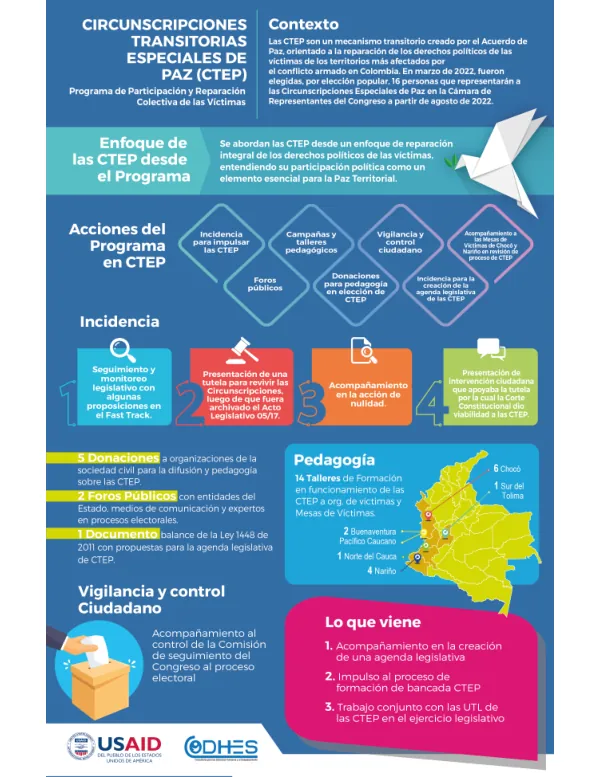
Infografia curules de paz. Corte Mayo 2022
The region's agricultural sector was characterized by small-scale farming, with most households relying on subsistence farming practices.
1 pages
Sign in to readA free account is required to download.
Abstract
The training programs emphasized the importance of crop rotation, composting, and conservation agriculture to improve soil fertility and reduce erosion. The initiative's focus on women-headed households aimed to address the disproportionate impact of poverty and food insecurity on this demographic. The evaluation also highlighted the importance of integrating market access interventions with agricultural training to maximize benefits for small-scale farmers. The initiative's success was attributed to the collaborative efforts of local government agencies, non-governmental organizations, and community groups. The program's impact was sustained through ongoing support for farmer training, infrastructure development, and market linkage facilitation. As the initiative continues to evolve, its focus on sustainable agriculture practices and market access will remain critical to improving food security and reducing poverty in Rwanda's agricultural sector.
Classification
- Document type
- Fact Sheet