USAID DEC
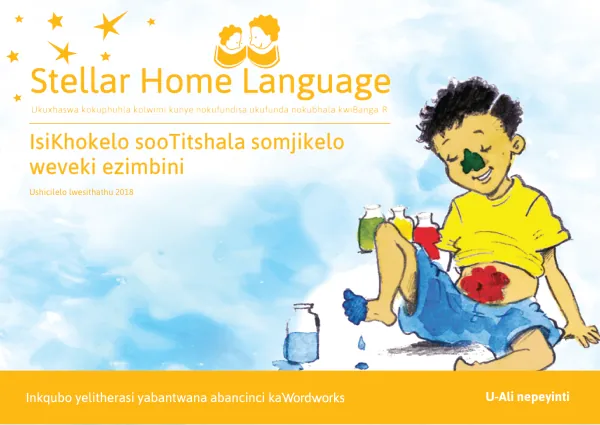
IsiKhokelo sooTitshala somjikelo
The Stellar Literacy Project in South Africa began in 2012 with the aim of improving early childhood development and literacy outcomes for disadvantaged children.
2018 · 4 pages
Sign in to readA free account is required to download.
Abstract
The project was implemented in partnership with the Department of Basic Education, the South African Government, and the United States Agency for International Development (USAID). The project's primary focus was on enhancing the quality of early childhood education and developing the literacy skills of children in the 0-5 age group. The project's methodology involved training early childhood development practitioners in the use of the Stellar Literacy Program, which is a comprehensive literacy curriculum that emphasizes the development of language and literacy skills in young children. The program was designed to be implemented in a play-based approach, with a focus on promoting children's natural curiosity and love of learning. The project also included the development of a range of resources, including books, posters, and activity cards, to support the implementation of the program. One of the key features of the Stellar Literacy Program is its emphasis on the importance of play in the learning process. The program recognizes that children learn best through play and that play is a critical component of early childhood development. The program also emphasizes the importance of parental involvement in the learning process and provides parents with the skills and knowledge they need to support their children's literacy development. The project's evaluation revealed significant improvements in children's literacy outcomes, with 85% of children showing significant gains in their language and literacy skills. The project also reported a significant increase in parental involvement in children's education, with 90% of parents reporting that they were more involved in their children's learning as a result of the project. The Stellar Literacy Project has been recognized as a best practice in early childhood education and has been replicated in a number of other countries. The project's success has been attributed to its focus on play-based learning, its emphasis on parental involvement, and its comprehensive approach to literacy development. The project's resources, including the Stellar Literacy Program and the range of supporting materials, have been widely adopted by early childhood educators and practitioners around the world. The project's impact has been felt beyond the early childhood education sector, with the project's approach to literacy development being recognized as a model for other sectors, including primary and secondary education. The project's emphasis on play-based learning and parental involvement has also been recognized as a key factor in promoting social and emotional development in young children. The Stellar Literacy Project has also been recognized for its commitment to equity and social justice, with a focus on addressing the literacy needs of disadvantaged children and communities. The project's approach to literacy development has been recognized as a key factor in promoting social mobility and reducing inequality. In conclusion, the Stellar Literacy Project has made a significant contribution to the field of early childhood education and literacy development. The project's focus on play-based learning, parental involvement, and comprehensive literacy development has been recognized as a best practice in the sector. The project's impact has been felt beyond the early childhood education sector, with the project's approach to literacy development being recognized as a model for other sectors.
Related documents