USAID DEC
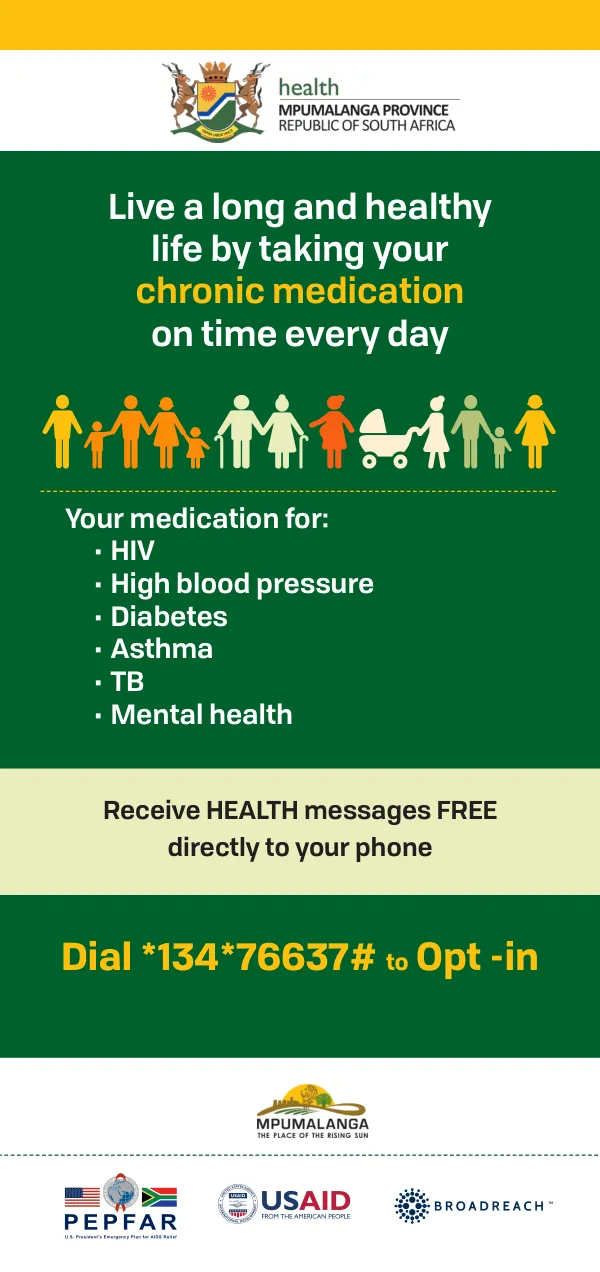
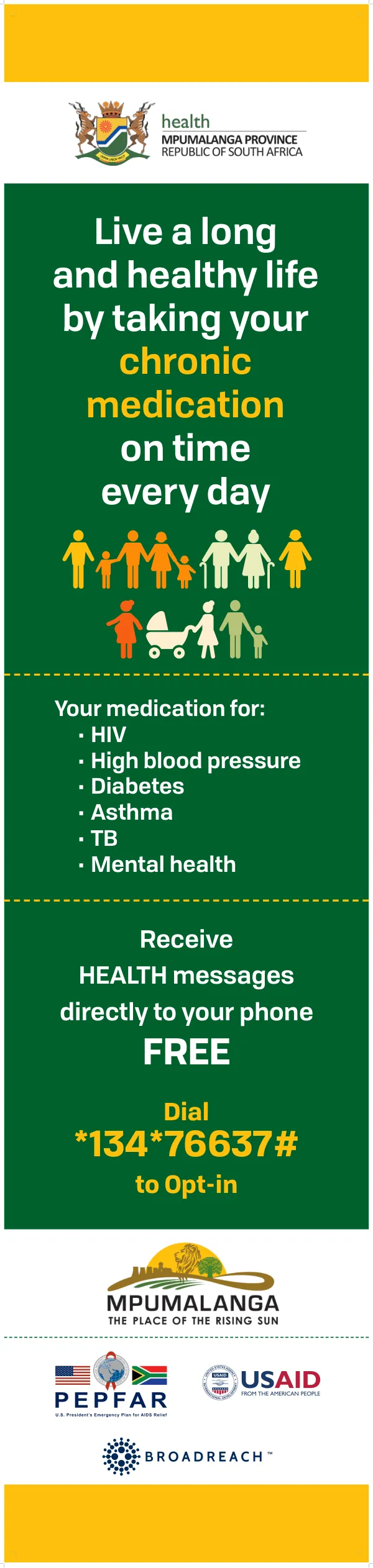
Live a long and healthy life by taking your chronic medication on time every day
Adherence to medication regimens is crucial for managing chronic conditions.
1 pages
Sign in to readA free account is required to download.
Abstract
For individuals living with HIV, high blood pressure, diabetes, asthma, tuberculosis (TB), and mental health disorders, timely medication intake is essential for maintaining health and preventing complications. Research has shown that consistent medication adherence can significantly improve health outcomes and quality of life. Studies have demonstrated that individuals who adhere to their medication regimens experience better disease control, reduced hospitalization rates, and improved overall well-being. In contrast, non-adherence can lead to increased morbidity, mortality, and healthcare costs. Effective medication management involves establishing a routine of taking medications as prescribed, which can be facilitated through reminders and support systems. Mobile health (mHealth) technologies, such as short message service (SMS) reminders, have been shown to improve medication adherence in various populations. These reminders can be tailored to individual needs and preferences, increasing the likelihood of successful adherence. In addition to mHealth interventions, other strategies for enhancing medication adherence include medication packaging, pill boxes, and reminders from healthcare providers. In many countries, mobile phone networks offer free or low-cost services for receiving health messages and reminders. These services can be accessed by dialing a specific code, such as *134*76637#, to opt-in and receive regular health updates and reminders. By leveraging these technologies and support systems, individuals with chronic conditions can better manage their medications and improve their overall health outcomes.
Related documents