USAID. MISSION TO PAKISTAN. OFC. OF THE AID REPRESENTATIVE FOR AFGHANISTAN AFFAIRS
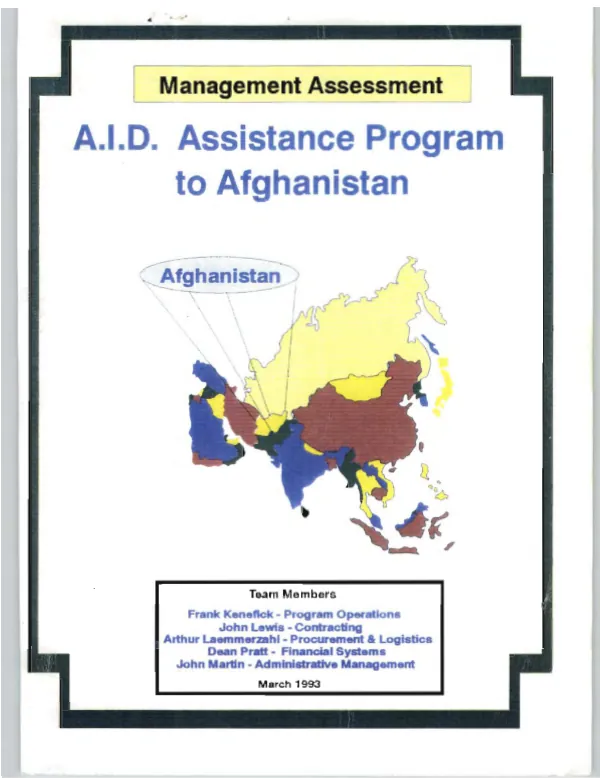
Management assessment : A.I.D. assistance program to Afghanistan
Evaluates program to provide humanitarian assistance to Afghans in Afghanistan and in surrounding refugee camps.
Kenefick, Frank; Lewis, John · 1993
Sign in to readA free account is required to download.
Abstract
Evaluation covers the period 1985-3/93. The program has been productive and effective. However, it has been vulnerable to the environment in which it operates; to the fact that A.I.D. assistance was but one aspect of a larger, more complex U.S. Government foreign policy initiative; and to program content and operating modalities. Because the program faced difficult field conditions and could not be implemented within traditional ranges of accountability, the U.S. Congress, from the outset, gave it special "...notwithstanding any other law" authority. Though used sparingly, this authority was necessary for the Mission to do its work. Having far-ranging authorities and an open, reactive portfolio of assistance activities made the A.I.D. program a valuable element of the U.S. effort. However, large annual expenditures and pressures from other organizations may have encouraged unnecessary cutting of corners and dilution of operational controls. Overall, however, A.I.D. staff did an exceptional job and accomplished several important objectives under very difficult circumstances. Soviet forces departed Kabul in late 1989. With continuing internal turmoil, the country program rationale is also changing. The Office of the Inspector General and others feel emergency measures and blanket exceptions to A.I.D. procedures have outlived their context. The program should perhaps shift to interventions and delivery approaches that better reflect expected A.I.D. resources and the continuing risks of a country undergoing a major social transition. A more focused portfolio and tighter AID/REP administration could possibly lower control and vulnerability problems identified in the team"s report. (Author abstract)