HEALTH POLICY PLUS
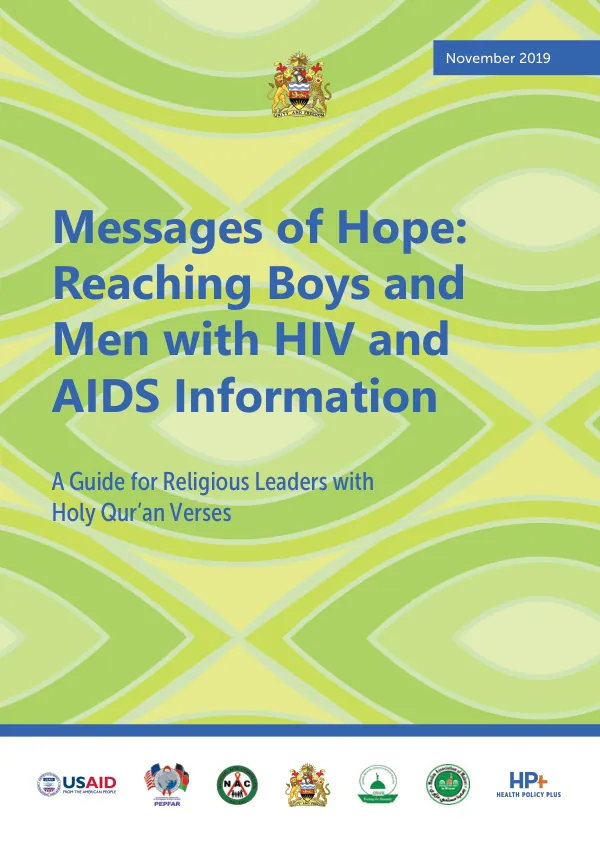
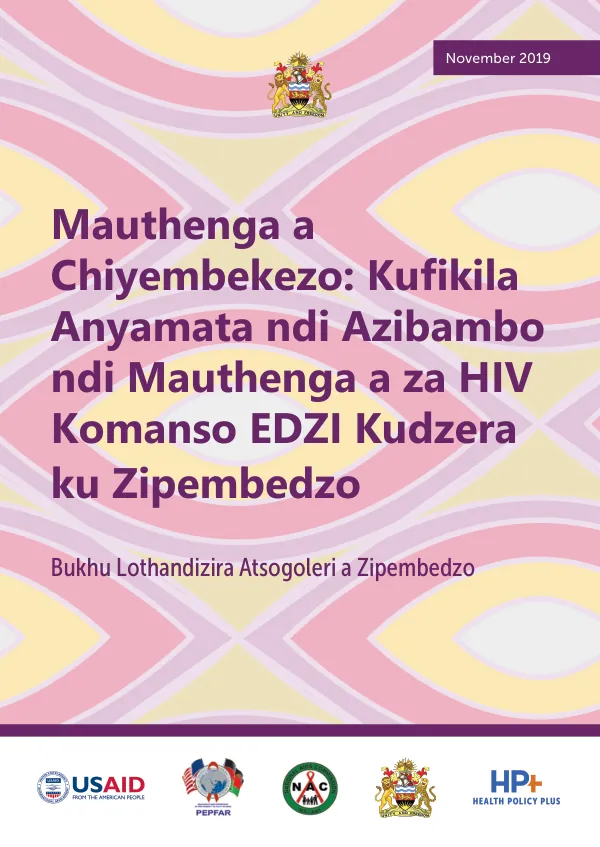
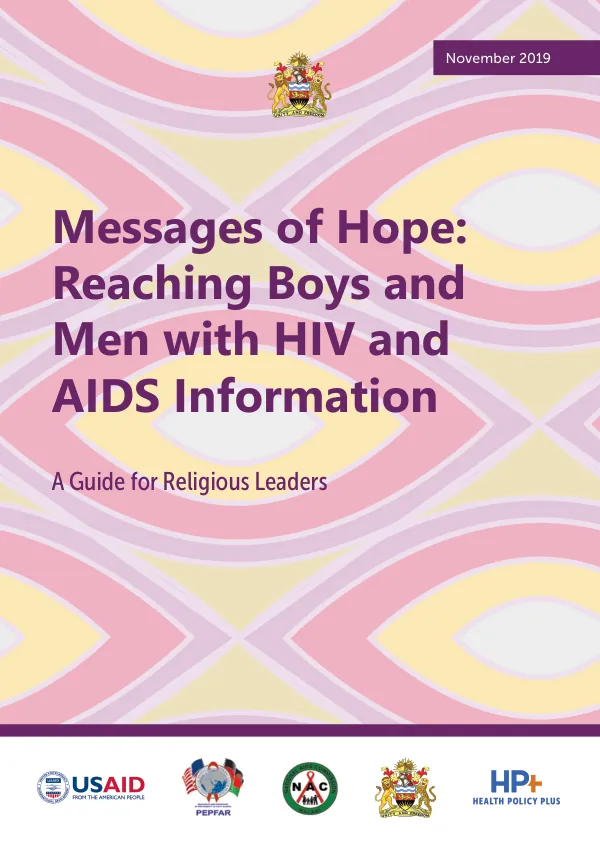
Messages of Hope: Reaching Boys and Men with HIV and AIDS Information
Messages of Hope: Reaching Boys and Men with HIV and AIDS Information is a guide created to help religious leaders engage men and boys on HIV issues.
2019 · 20 pages
Sign in to readA free account is required to download.
Abstract
The guide provides information and messages on key HIV topics, developed in collaboration with religious leaders and groups of men and boys. The guide is divided into three sections: HIV testing, starting treatment (antiretroviral therapy—ART), and ART adherence. Each section includes background information on the topic, guidance and messages for religious leaders, and messages for men and boys. The guide emphasizes the importance of incorporating messages into sermons and group discussions for the entire community, as well as holding special sermons or discussions with boys and men. It also suggests using the information for one-on-one counseling, developing print and other materials to spread awareness, and incorporating messages into faith-based teaching settings. In Malawi, there were an estimated 1,062,721 people living with HIV in 2018. New infections are declining, and people living with HIV are living longer. However, many people are not aware of new developments and may believe that HIV is the "end of life." The guide highlights the good news of better treatment options, including new antiretroviral therapy regimens that require only one pill per day and have fewer side effects. Men and boys face many personal barriers to obtaining HIV testing and treatment, including fear of being seen as weak, sick, or sinful, and fear of infecting their partners or children. They may delay or avoid HIV testing, do not seek treatment if they test HIV positive, and fail to take their medication as directed. Religious leaders have an important role to play in reaching men and boys with HIV messages, as they influence their communities through both their words and actions. Religious leaders can share important information to dispel fears and provide hope, break the silence on the importance of HIV testing and treatment, and support the spiritual and emotional healing that is such an important part of care for a person living with HIV. They can lead by example by going for HIV testing, encourage men and boys to seek HIV testing, and help them understand the benefits of HIV testing and treatment. The guide emphasizes the importance of early detection and treatment, as effective treatment can lead to having an "undetectable viral load." People with an undetectable viral load cannot sexually transmit the virus. If someone tests negative, there are more resources available today to prevent HIV than ever before. The guide provides messages on HIV testing for religious leaders, men and boys, and all men, emphasizing the importance of getting tested and staying healthy for their families. In terms of implementation, the guide suggests incorporating messages into sermons and group discussions, holding special sermons or discussions with boys and men, and using the information for one-on-one counseling. It also suggests developing print and other materials to spread awareness, incorporating messages into faith-based teaching settings, and reaching boys through school/university outreach, social media, and youth groups. The guide highlights the importance of taking a stand against stigma and discrimination, one of the biggest barriers to testing and treatment. It emphasizes the need for religious leaders to lead by example, encourage men and boys to seek HIV testing, and help them understand the benefits of HIV testing and treatment. The guide provides facts about HIV testing, including the importance of getting tested, the benefits of treatment, and the fact that people with an undetectable viral load cannot sexually transmit the virus.