COOPERS AND LYBRAND
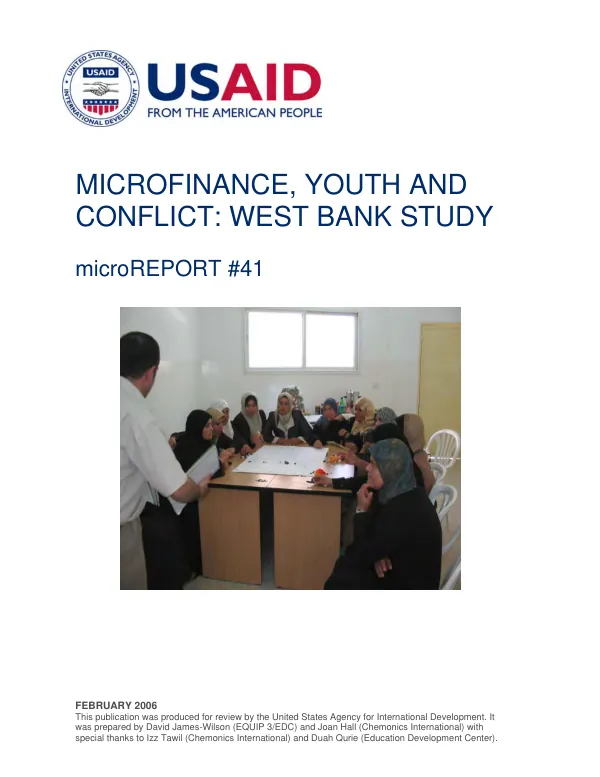
Micro enterprise credit and its effects in Kenya : an exploratory study
The Kenya Rural Enterprise Program (KREP) provides financial and non-financial assistance to organizations promoting microenterprise development in Kenya.
1991
Sign in to readA free account is required to download.
Abstract
This report presents the findings from interviews with 50 microenterprise clients supported by KREP through credit programs in the urban Mombasa and rural Meru districts. Individuals chapters: (1) describe the clients, their enterprise and household characteristics, and the loan funds; (2) analyze enterprise performance during the loan period by changes in sales, direct value added, cash income, net profit margin, employment generation, and management performance; and (3) examine the impact of credit programs beyond the enterprise itself, such as linkages with other household and community enterprises, as well as the regulatory and institutional environment. The final chapter summarizes research findings, highlighting issues related to location, sector, and gender, and profiles successful clients as more likely to be: from urban areas; in trade rather than production; male; educated; relatively young; recipients of large loans; dependent on their business for most of their income; homeowners; unburdened by school-age children; good delegators of authority; able to obtain raw materials; competitive and innovative; and operating partly or fully outside the regulatory environment. Program implications are presented in conclusion.
Related documents

![Opportunities for the SAEDF [South African enterprise development fund] in Namibia](https://covers.devme.ai/gen/13570.webp)
![Microfinance and mitigation of the impacts of HIV/AIDS : an exploratory study from Zimbabwe[ -- summary]](https://covers.devme.ai/gen/49010.webp)