USAID DEC
MONITORAMENTO DE FUMAÇA EM TEMPO REAL MEDIANTE SENSORES DE BAIXO CUSTO INSTALADOS NA AMAZÔNIA SUL-OCIDENTAL
Sign inUSAID DEC
MONITORAMENTO DE FUMAÇA EM TEMPO REAL MEDIANTE SENSORES DE BAIXO CUSTO INSTALADOS NA AMAZÔNIA SUL-OCIDENTAL
The accelerated change in the functioning of the biosphere and the technological revolution create the need and the tools for making decisions about how to care for the planet and human society.
2019 · 5 pages
Sign in to readA free account is required to download.
Abstract
Southwestern Amazonia suffers the impacts of a global process - biomass burning and the generation of smoke - for 3-5 months per year. This smoke has implications for human health and ecosystems, as well as rainfall and drought patterns. A study was conducted to utilize the Internet of Things (IoT) for real-time monitoring of particulate matter in the trinational region of Madre de Dios (Peru), Acre (Brazil), and Pando (Bolivia), known as MAP. The region is known for its high levels of biomass burning, which affects the quality of the air and the health of the local population. The study aimed to provide real-time data on the concentration of particulate matter in the region, which can be used to inform decision-making and improve air quality. Four sensors were installed in the region, two in Brazil and two in Peru, to monitor the concentration of particulate matter. The sensors were connected to the Internet and provided real-time data on the concentration of particulate matter, which was made available to the public through a map on the Purple Air website. The sensors were able to collect data on the concentration of particulate matter, including PM1.0, PM2.5, and PM10, as well as the Air Quality Index (AQI). The data collected by the sensors showed that the concentration of particulate matter in the region was often above the recommended limits set by the World Health Organization (WHO). In Rio Branco, Acre, Brazil, the concentration of PM2.5 was above 25 μgm-3 for 54 days, while in Puerto Maldonado, Madre de Dios, Peru, the concentration was above 25 μgm-3 for 50 days. The data also showed that the concentration of particulate matter was often below 10 μgm-3, which is the recommended annual limit set by the WHO. The study highlights the importance of using low-cost sensors to monitor air quality in regions where traditional monitoring equipment is not available. The sensors used in this study were able to provide real-time data on the concentration of particulate matter, which can be used to inform decision-making and improve air quality. However, the study also notes that the accuracy and precision of the sensors need to be evaluated to determine the limits of interpretation. The study suggests that low-cost sensors have the potential to revolutionize air quality monitoring, particularly in regions where traditional monitoring equipment is not available. The use of low-cost sensors can provide real-time data on air quality, which can be used to inform decision-making and improve public health. However, the study also notes that the accuracy and precision of the sensors need to be evaluated to determine the limits of interpretation.
Related documents
Documents in this collection
 1970
1970USAID DEC
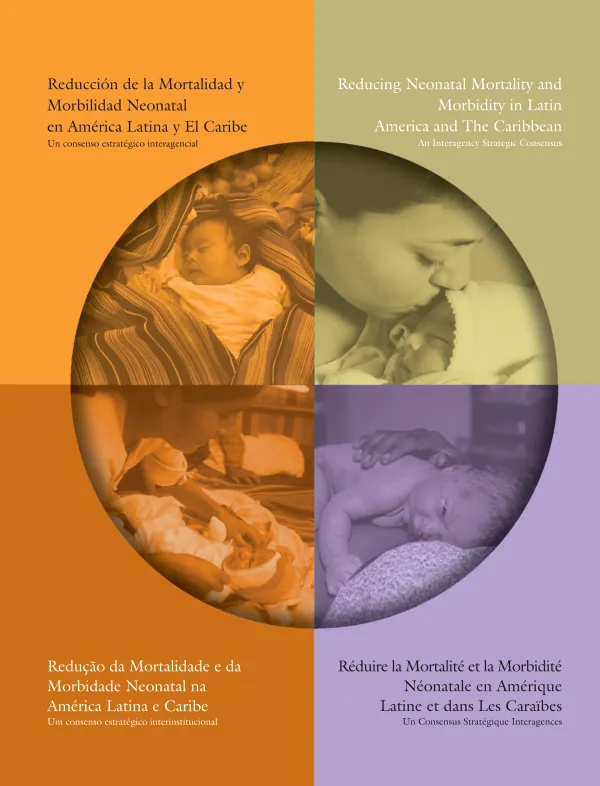
Reduccion de la mortalidad y morbilidad neonatal en america latina y el caribe, un consenso estrategico interagencial = Reducing neonatal mortality and morbidity in latin america and the caribbean, an interagency strategic consensus = Reducao da mortalidade e da morbidade neonatal na america latina e caribe, um consenso estrategico interinstitucional = Reduire la mortalite et la morbidite neonatale en amerique latine et dans les caraibes
Open record 1992
1992USAID DEC