USAID. MISSION TO THE GAMBIA
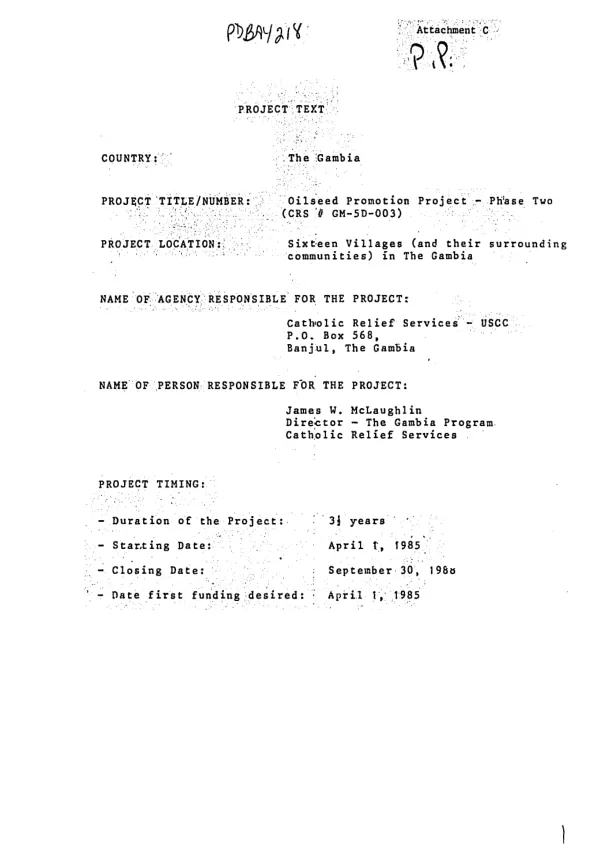
Oilseed promotion project - phase two
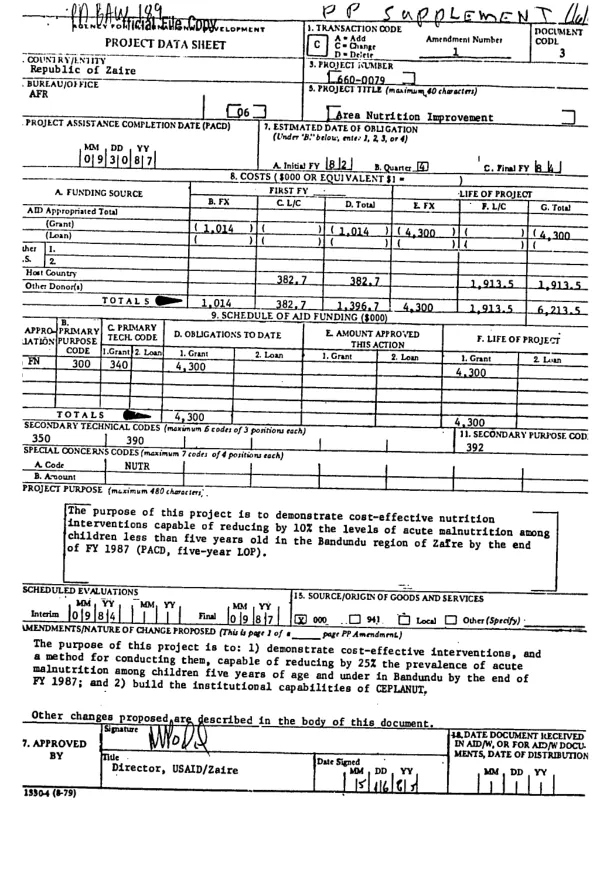
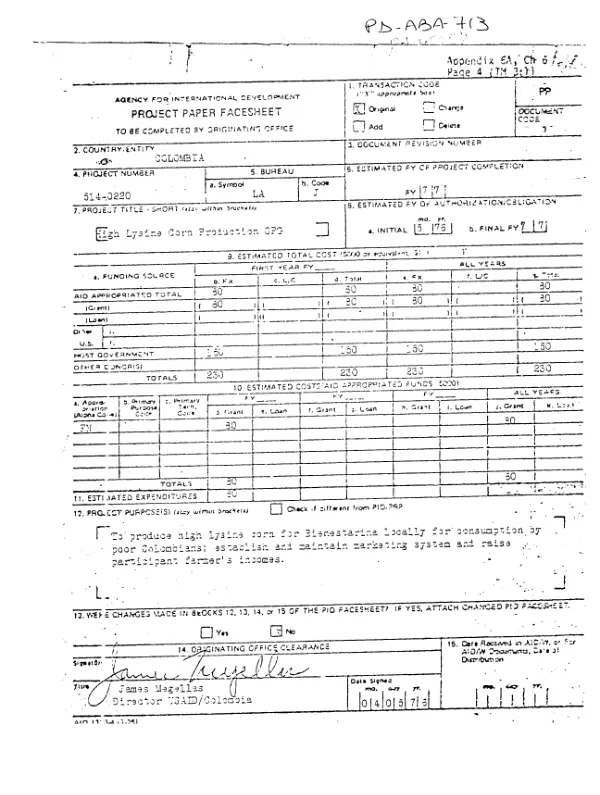
Grant to Catholic Relief Services (CRS) to increase income and caloric intake in rural Gambia by promoting the cultivation and processing of oil crops by village women.
1970
Sign in to readA free account is required to download.
Abstract
The project will be implemented in conjunction with the CRS nutrition program; Phase I was funded under a Sahel generic grant. CRS will expand the scope of the project from 7 villages to 16. New villages will be chosen from those already having a CRS nutrition program and which meet a variety of criteria, including a desire on the part of program mothers to participate, the quality of the nutrition program management, and the availability of land for oilseed crops. CRS will provide participating villages with seed for the first crop, fertilizer, TA, oil processing equipment (a decorticator, a winnower, and an oil press), and materials for construction of oil processing shelters. Participating mothers will select machine operators (who will be trained by a senior machine operator stationed in Gunjur village) and managers to run the processing centers. CRS will select and train village monitors, who will instruct the mothers in field preparation and planting and periodically inspect the crops for insect infestation. During this second phase of the project, CRS will experiment with double cropping - millet or maize followed by sesame. Cooking demonstrations will also be conducted. By the end of the project at least 2,250 ha of sunflower and sesame will be under cultivation by some 9,000 Gambian women in the 16 project villages and surrounding communities. Ideally, each woman will cultivate 1/4 ha of land which will yield 150 kg of seed annually. Each woman will be allowed to process 12 kg of seed per month, from which a yield of 6 liters of oil and 6 kg of high-protein seed residue cake can be expected. When Phase II is completed, the seven Phase I villages will require no further support or supervision, as these villages will have begun charging oil processing fees to cover operating costs.
![The Gambia : CLUSA - cooperative training and education [-- amendment no. 1]](https://covers.devme.ai/gen/44531.webp)