USAID DEC
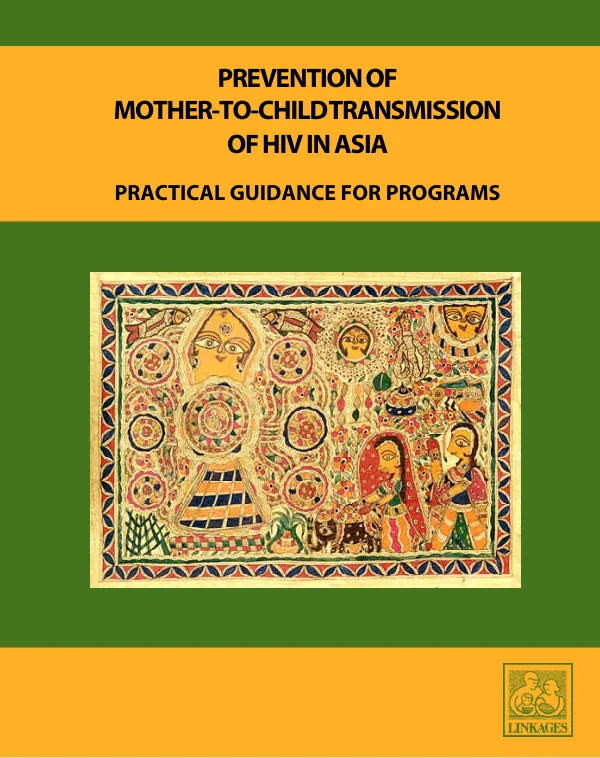
Prevention of mother-to-child transmission of HIV in Asia : practical guidance for programs
Sign inACADEMY FOR EDUCATIONAL DEVELOPMENT, INC. (AED)
Prevention of mother-to-child transmission of HIV in Asia : practical guidance for programs
With the notable exceptions of Thailand and Cambodia, Asian countries are experiencing rising numbers of pediatric AIDS cases and have little experience with programs to prevent mother-to-child transmission (MTCT).
Preble, Elizabeth A.; Piwoz, Ellen G. · 2002
Sign in to readA free account is required to download.
Abstract
This paper discusses MTCT preventions for women who are both HIV-infected and pregnant. It reviews the technical dimensions of MTCT (including mechanisms, timing, and risk factors); discusses the diagnosis and treatment of pediatric AIDS; and describes programmatic issues and experience in Asia and elsewhere with the five core interventions to prevent MTCT (PMTCT): (1) comprehensive maternal and child health (MCH) services; (2) voluntary counseling and testing (VCT); (3) antiretroviral (ARV) prophylaxis; (4) counseling and support for safe infant feeding; and (5) optimal obstetric practices. Medical care and social support for the mother and the infant living with HIV/AIDS are also discussed. Operational issues encountered in developing PMTCT programs, such as assessment of the situation, planning through dialogue, monitoring and evaluation, and understanding policy concerns, are outlined. The paper focuses on the five most affected countries in the region -- Cambodia, China, India, Burma, and Thailand -- but the technical background presented and lessons learned from these five countries are relevant for the rest of the region. The paper is intended for use as a technical resource, a programmatic guide, and a basis for policy dialogue and coordination. Includes recommendations on how to move forward in PMTCT programs to governments, non-governmental organizations, and other partner organizations joined in the effort to prevent the spread of HIV/AIDS in Asia. (Author abstract, modified)
Related documents
![Zimbabwe mother-to-child HIV transmission [MTCT] : prevention project : situation analysis](https://covers.devme.ai/gen/46259.webp)