USAID DEC
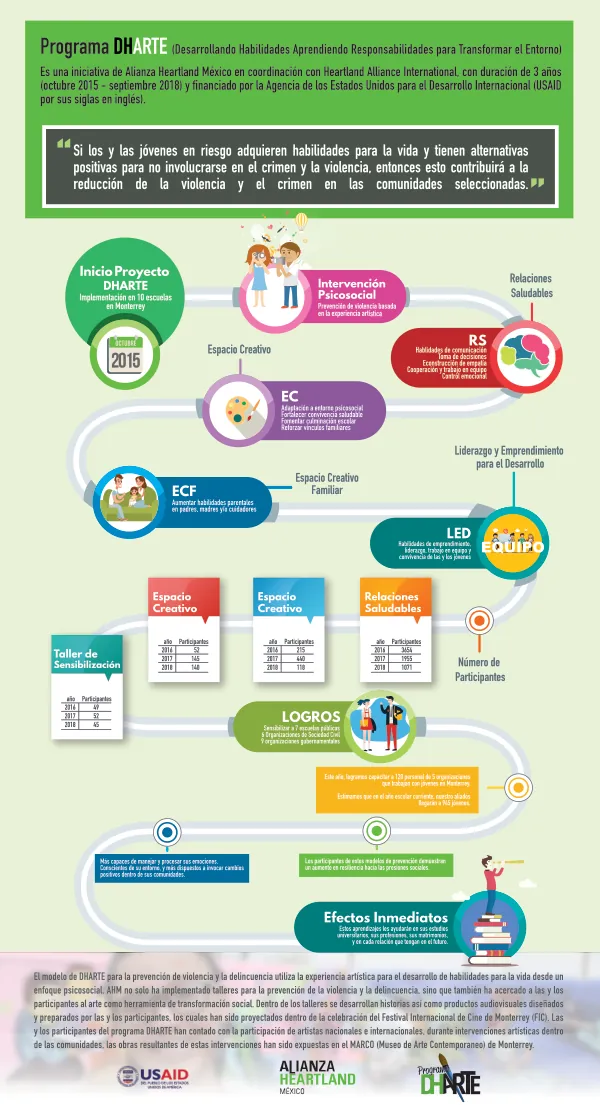
Programa
The initiative aimed to address soil degradation and limited market access in Eastern Province, where crop yields averaged 40% below regional benchmarks for staple crops such as maize and beans.
1 pages
Sign in to readA free account is required to download.
Abstract
Initial assessments identified these challenges as primary obstacles to agricultural development in the region. More than 2,500 farmers received training in sustainable agriculture techniques during the first year, with demonstration plots established in 15 communities showing yield improvements of 60% when applying the recommended practices. This suggests that the program's interventions were effective in promoting sustainable agriculture practices among women, who are often disproportionately affected by soil degradation and limited market access. The program's focus on empowering women farmers is a critical component of its overall strategy. These findings suggest that the program's integrated approach to agricultural development is effective in promoting sustainable livelihoods and improving food security in Rwanda. The program's success has significant implications for agricultural development in Rwanda and beyond. By addressing the root causes of soil degradation and limited market access, the program has created a foundation for long-term sustainable agriculture practices. As the program continues to evolve and expand, it is likely to have a lasting impact on the country's agricultural sector and the lives of its farmers.
Classification