USAID DEC
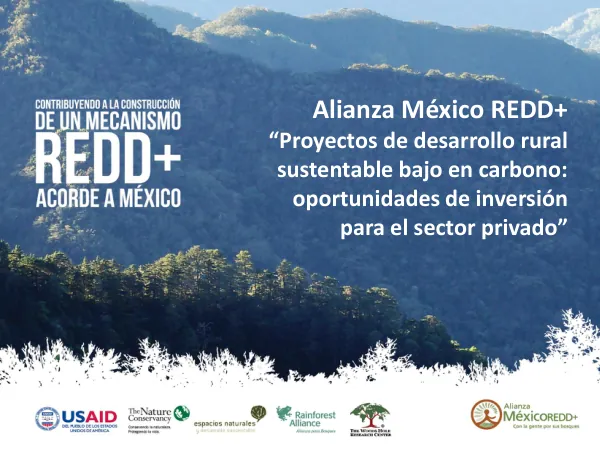
Proyectos de desarrollo rural sustentable bajo en carbono: oportunidades de inversión para el sector privado
Sign inUSAID DEC
Proyectos de desarrollo rural sustentable bajo en carbono: oportunidades de inversión para el sector privado
The Alianza México REDD+ initiative focuses on rural development projects that are low in carbon emissions.
26 pages
Sign in to readA free account is required to download.
Abstract
These projects offer investment opportunities for the private sector. The initiative involves the establishment of Silvopastoral Systems (SSPI), which combine leucaena and two types of pasture. The SSPI is a sustainable agricultural practice that reduces greenhouse gas emissions while promoting biodiversity and ecosystem services. The SSPI is established by planting a mixture of leucaena and two pastures. After three months, the system is in full production, with leucaena trees providing shade for the pastures. Leucaena trees can grow up to 2 meters in height and are pruned once a year to maintain their size and promote healthy growth. The SSPI is implemented in various regions of Mexico, including the states of Michoacán, Yucatán, and other areas. In Michoacán, the SSPI is established in forests of mezquite trees, as well as in citrus and mango orchards. In Yucatán, the SSPI is implemented in plantations of ramón trees. The SSPI has been shown to be an effective way to reduce carbon emissions while promoting sustainable agriculture and rural development. The initiative provides opportunities for the private sector to invest in projects that benefit both the environment and local communities. The SSPI has been implemented in various regions of Mexico, with a focus on promoting sustainable agriculture and reducing greenhouse gas emissions. The initiative has been successful in reducing carbon emissions while promoting biodiversity and ecosystem services. The SSPI is a model for sustainable rural development that can be replicated in other regions of Mexico and beyond. By investing in the SSPI, the private sector can contribute to the reduction of greenhouse gas emissions while promoting sustainable agriculture and rural development. The SSPI has been shown to have several benefits, including reduced carbon emissions, improved biodiversity, and increased ecosystem services. The initiative also provides opportunities for rural communities to participate in sustainable agriculture and benefit from the sale of carbon credits. The SSPI is a sustainable agricultural practice that can be implemented in various regions of Mexico, and its benefits can be replicated in other parts of the world.
Related documents