USAID
Signs of Pregnancy Complications
Pregnancy-related complications can manifest in various physical and emotional symptoms.
6 pages
Sign in to readA free account is required to download.
Abstract
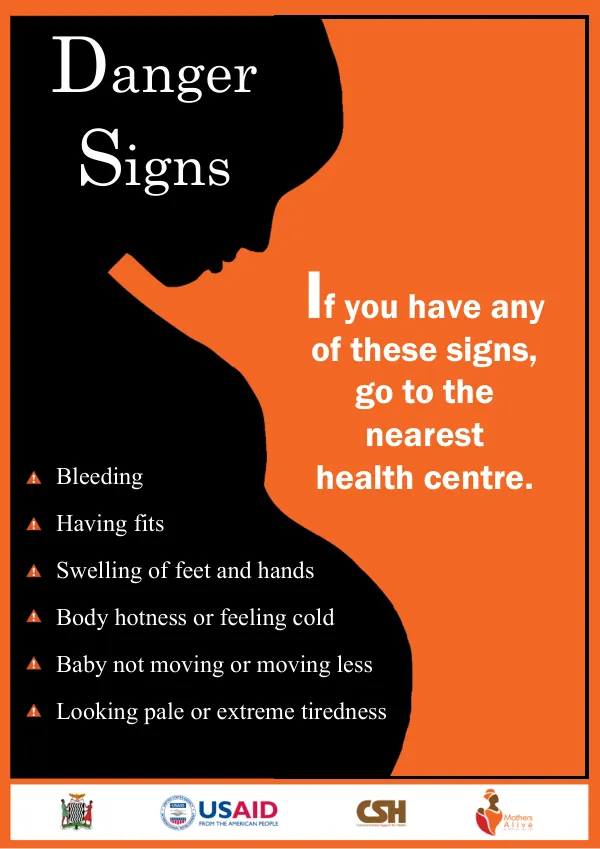
One of the most critical indicators of potential issues is bleeding, which can range from light spotting to heavy bleeding. Women may also experience fits or seizures, which can be a sign of preeclampsia or eclampsia. Swelling of the feet and hands, also known as edema, is another common symptom, particularly in the later stages of pregnancy. Body temperature fluctuations are also a concern, as a fever can indicate infection or other complications. Conversely, feeling excessively hot or cold can be a sign of a more serious issue. Reduced fetal movement is another alarming symptom, as it may indicate placental insufficiency or other problems with the baby's health. Additionally, looking pale or feeling extremely tired can be indicative of anemia or other underlying conditions. In cases where these symptoms are present, immediate medical attention is crucial. Women experiencing any of these signs should seek care at the nearest healthcare facility as soon as possible. Prompt treatment can help prevent serious complications and ensure a healthy outcome for both the mother and the baby. Healthcare providers can assess the situation and provide necessary interventions to address any underlying issues. Early recognition and response to these symptoms can significantly impact the outcome of pregnancy. Healthcare providers emphasize the importance of monitoring for these signs and seeking medical attention if they occur. By acting quickly, women can reduce the risk of complications and ensure a safe and healthy pregnancy. Regular prenatal care and regular check-ups with a healthcare provider can help identify potential issues before they become severe.