USAID
Small Farmer Support
Small Farmer Support in the Philippines is a critical component of the country's rural development initiatives.
2015 · 28 pages
Sign in to readA free account is required to download.

Abstract
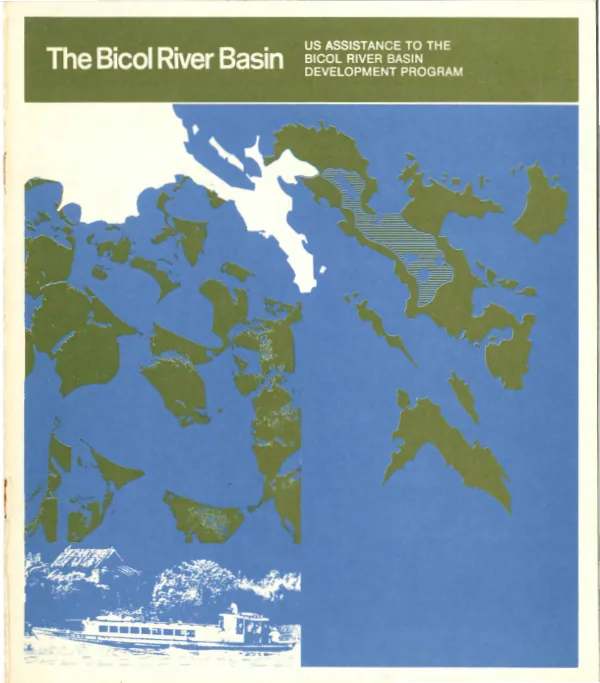
The Philippines is a nation of rural dwellers, with 70% of the population, approximately 30 million Filipinos, engaged in small-scale farming. Each family works an average of 2 hectares of rice land, facing numerous challenges including poor roads, inadequate irrigation systems, insufficient credit, and severe typhoons and floods. US assistance to the Philippines is concentrated on rural programs, with some initiatives, such as Rural Electrification, benefiting all rural dwellers, while others, like Agrarian Reform, the Bicol River Basin Project, and Small Farmer Support, focus specifically on agriculture and small farmers' production and income. The Small Farmer Support program aims to improve the livelihoods of small farmers by enhancing their access to resources, markets, and technology. Agrarian Reform, initiated by President Marcos in October 1972, targets the transfer of 1.8 million hectares of rice and corn land to 1 million tenant farmers. By the end of the first year, estates of 50 hectares and over had been subdivided and transferred to over 100,000 tenants. US assistance has provided technical support, including technicians to help with land classification and mapping, over 200 US Excess Property jeeps to aid field crews, and technical assistance in developing a support system for land reform beneficiaries. The key to the Agrarian Reform Program's success has been the development of farmer cooperatives. These cooperatives enable former tenant farmers to receive their land transfer certificates and access resources, inputs, and markets. The cooperatives also facilitate the sharing of knowledge, skills, and best practices among farmers, promoting collective action and decision-making. The Bicol River Basin Project is another innovative initiative aimed at integrating development programs on a regional basis. The project's objectives include increasing the income of 75,000 small farmers in the area, enhancing agricultural productivity, and promoting employment opportunities and wealth redistribution through Agrarian Reform. By addressing the complex challenges faced by small farmers in the Bicol region, the project seeks to improve the overall well-being of rural communities and contribute to the country's economic development.
Related documents