USAID
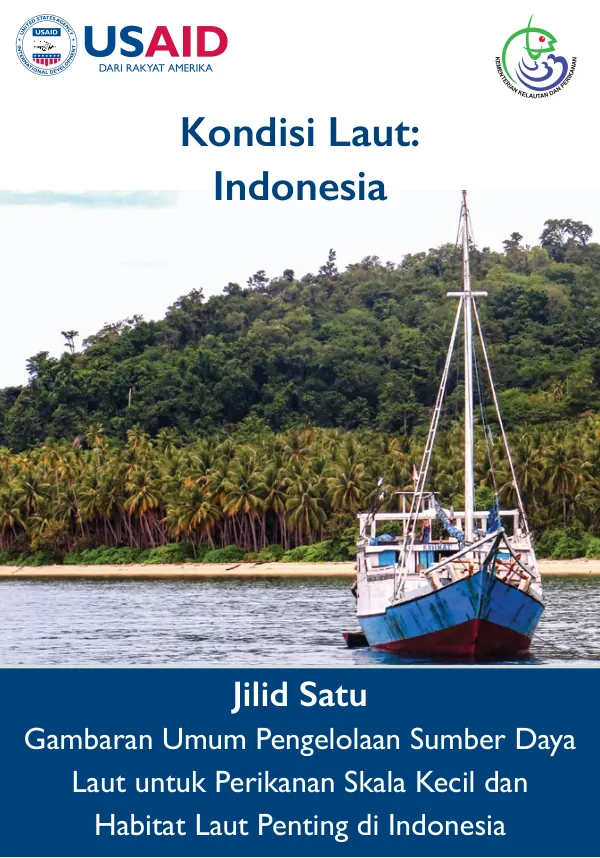
State of the Sea: Indonesia
Indonesia is a country with a vast and diverse marine and fisheries resource potential.
2018 · 176 pages
Sign in to readA free account is required to download.
Abstract
The sea is the future of the nation, which must be preserved for its sustainability as a source of food for the Indonesian people. The success of the eradication of Illegal, Unreported, and Unregulated (IUU) fishing in Indonesia has had an impact on the recovery of fish stock in the Indonesian Fishing Management Area. Indonesia is optimistic about becoming the center of gravity for global fish production, providing significant national economic benefits. To achieve this, Indonesia must manage fish stocks using a sustainable fisheries management approach, including the management of high-quality marine conservation areas. This is a challenge in managing marine and coastal ecosystems in global fisheries to provide sufficient fish with a healthy sea. The Indonesian government, through the Ministry of Maritime Affairs and Fisheries, has made significant progress in implementing sustainable fisheries management practices. The country has established a number of marine protected areas, which have helped to conserve marine biodiversity and promote sustainable fishing practices. The government has also implemented policies to reduce bycatch and discarding, and to promote the use of fishing gear that minimizes bycatch. The Indonesian government has also made significant progress in improving the management of its fisheries resources. The country has established a number of fisheries management areas, which have helped to reduce overfishing and promote sustainable fishing practices. The government has also implemented policies to promote the use of fish aggregating devices (FADs) and to reduce the use of destructive fishing gear. In addition to these efforts, the Indonesian government has also made significant progress in improving the livelihoods of small-scale fishermen. The country has implemented policies to promote the use of sustainable fishing practices, such as the use of fishing gear that minimizes bycatch and discarding. The government has also implemented programs to provide training and support to small-scale fishermen, helping them to improve their fishing skills and increase their income. The Indonesian government has also made significant progress in improving the management of its marine resources. The country has established a number of marine protected areas, which have helped to conserve marine biodiversity and promote sustainable fishing practices. The government has also implemented policies to reduce pollution and promote the use of sustainable fishing practices. The Indonesian government has also made significant progress in improving the management of its coastal resources. The country has established a number of coastal management areas, which have helped to reduce coastal erosion and promote sustainable coastal development. The government has also implemented policies to promote the use of sustainable coastal practices, such as the use of seaweed farming and the promotion of eco-tourism. The Indonesian government has also made significant progress in improving the livelihoods of small-scale fishermen. The country has implemented policies to promote the use of sustainable fishing practices, such as the