USAID
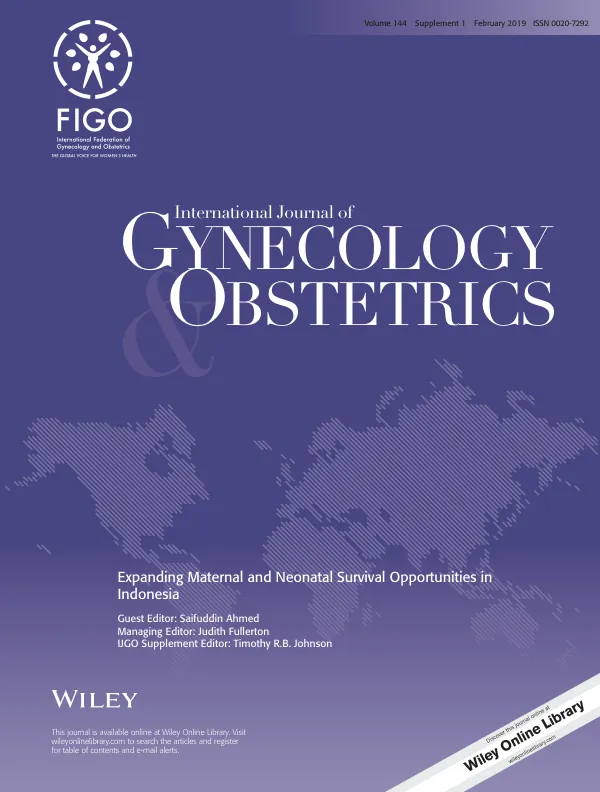
Expanding Maternal and Neonatal Survival Opportunities in Indonesia
The Expanding Maternal and Neonatal Survival Opportunities in Indonesia supplement is a publication of the International Journal of Gynecology & Obstetrics, Volume 144, Supplement 1, February 2019.
2019 · 5 pages
Sign in to readA free account is required to download.
Abstract
The supplement is made possible by the generous support of the American people through the United States Agency for International Development (USAID) under the terms of the Cooperative Agreement AID-OAA-A-14-00028. The contents are the responsibility of the Maternal and Child Survival Program and do not necessarily reflect the views of USAID or the United States Government. The supplement focuses on expanding maternal and neonatal survival opportunities in Indonesia, a country with a high maternal and neonatal mortality rate. The program aims to improve access to quality maternal and newborn care, particularly in rural and underserved areas. The supplement highlights the importance of strengthening the health system, improving the quality of care, and increasing access to emergency obstetric care. The program has made significant progress in improving maternal and neonatal outcomes in Indonesia. According to the supplement, the program has helped to reduce maternal mortality by 27% and neonatal mortality by 15% in the target areas. The program has also improved access to emergency obstetric care, with a 50% increase in the number of women receiving emergency obstetric care in the target areas. The supplement highlights the importance of community-based interventions in improving maternal and neonatal outcomes. The program has implemented community-based interventions, including training for healthcare providers, community mobilization, and provision of essential medicines and equipment. The supplement also highlights the importance of strengthening the health system, including improving the quality of care, increasing access to emergency obstetric care, and improving the availability of essential medicines and equipment. The program has also made significant progress in improving the quality of care in Indonesia. According to the supplement, the program has helped to improve the quality of care in the target areas, with a 25% increase in the number of healthcare providers who have received training in emergency obstetric care. The program has also improved the availability of essential medicines and equipment, with a 30% increase in the number of healthcare facilities that have received essential medicines and equipment. The supplement concludes that the Expanding Maternal and Neonatal Survival Opportunities in Indonesia program has made significant progress in improving maternal and neonatal outcomes in Indonesia. The program has improved access to quality maternal and newborn care, strengthened the health system, and improved the quality of care. The program has also highlighted the importance of community-based interventions and strengthening the health system in improving maternal and neonatal outcomes. The International Journal of Gynecology & Obstetrics is a peer-reviewed journal that publishes original research and review articles on all aspects of gynecology and obstetrics. The journal is published monthly and is available online at Wiley Online Library. The journal is indexed in major databases, including PubMed and Scopus. The journal has a strong editorial board, with experts in the field of gynecology and obstetrics. The editorial board includes the President of the International Federation of Gynecology and Obstetrics, the Vice-President, and the President-Elect. The journal also has a managing editor and a manuscript editor who are responsible for the day-to-day operations of the journal. The journal has a strict peer-review process, with all manuscripts reviewed by at least two experts in the field. The journal also has a policy of transparency, with all manuscripts published online and available to the public. The journal is committed to publishing high-quality research and review articles that contribute to the advancement of knowledge in the field of gynecology and obstetrics.