USAID DEC
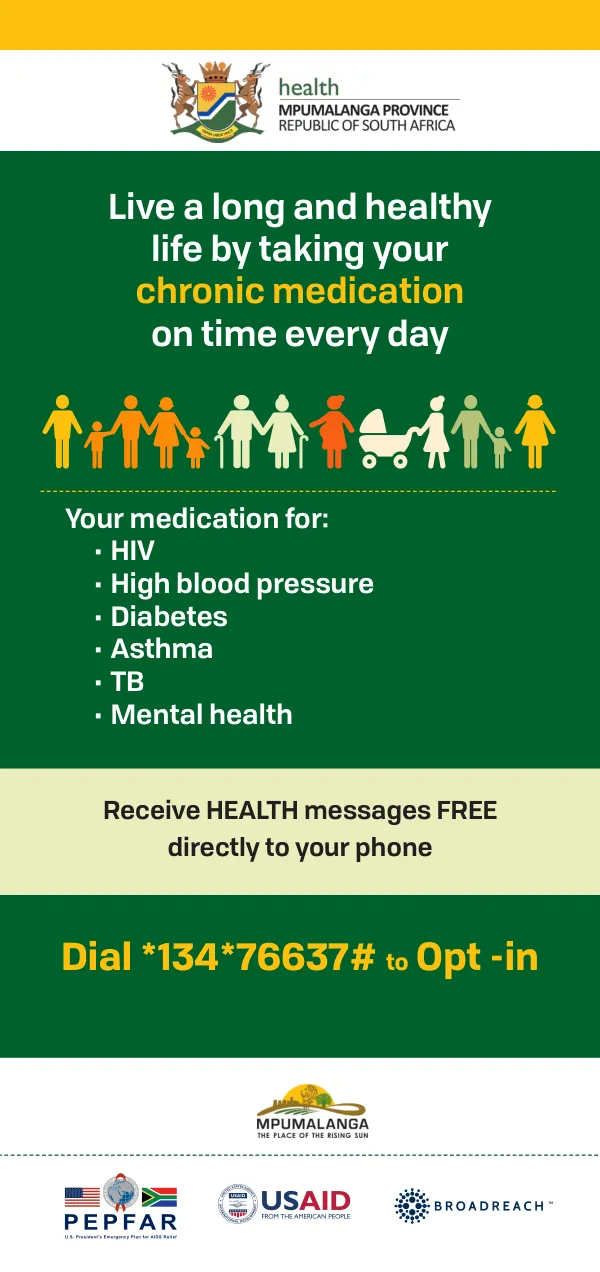
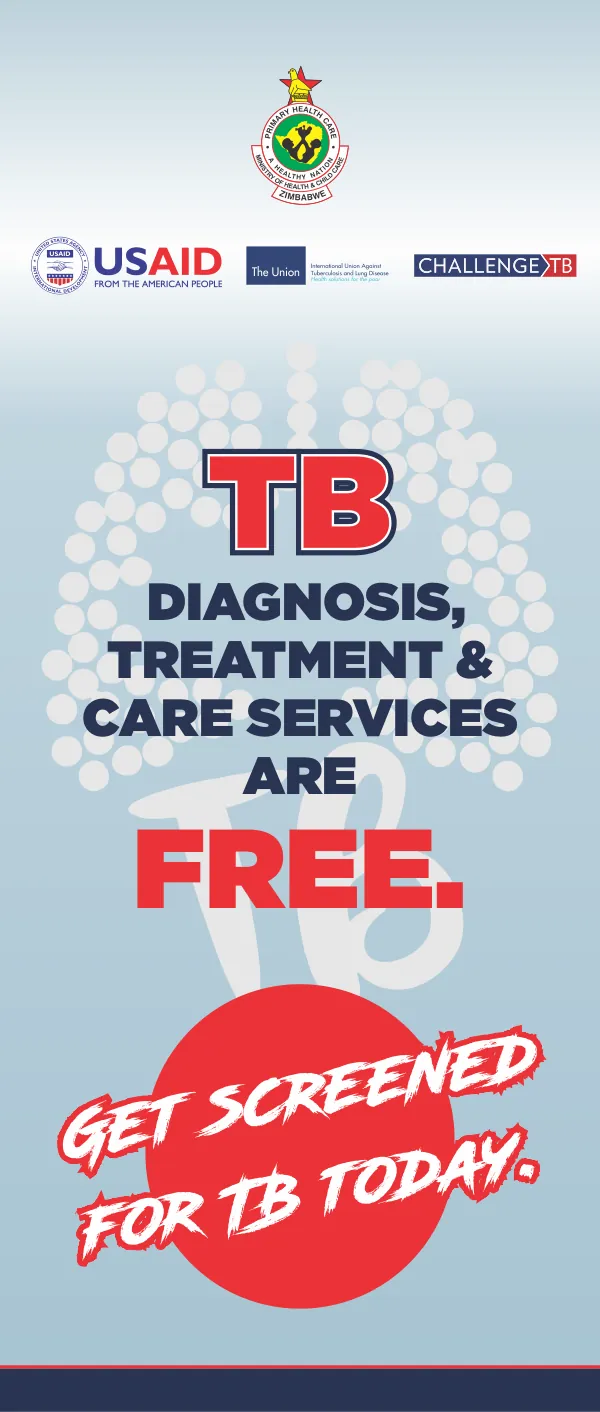
TB Diagnosis, Treatment & Care Services Are Free
Tuberculosis (TB) is a bacterial infection that primarily affects the lungs, but can also affect other parts of the body.
1 pages
Sign in to readA free account is required to download.
Abstract
The disease is caused by Mycobacterium tuberculosis, which is usually spread through the air when an infected person coughs, coughs, or sneezes. TB can affect anyone, regardless of age, but is most common in people with weakened immune systems, such as those with HIV/AIDS. TB diagnosis involves a combination of medical history, physical examination, and laboratory tests. Chest X-rays and sputum tests are commonly used to detect TB. The sputum test involves collecting a sample of mucus from the lungs, which is then examined for the presence of TB bacteria. If the initial test is positive, a second test is usually performed to confirm the diagnosis. TB treatment typically involves a combination of antibiotics, which are usually taken for 6-9 months. The most commonly used antibiotics are isoniazid, rifampicin, pyrazinamide, and ethambutol. Treatment is usually supervised by a healthcare provider to ensure adherence and monitor for side effects. In some cases, TB treatment may be provided in combination with other medications to address underlying conditions, such as HIV/AIDS. TB care services are available in many countries, including diagnosis, treatment, and treatment follow-up. These services are often provided by healthcare providers, community health workers, and non-governmental organizations. In some areas, TB care services are free, while in others, patients may need to pay for treatment. TB care services aim to improve patient outcomes, reduce transmission, and prevent the development of drug-resistant TB. TB screening is an essential component of TB control programs. Screening involves testing people who are at high risk of developing TB, such as those with HIV/AIDS, healthcare workers, and people living in areas with high TB prevalence. Screening can be performed using sputum tests, chest X-rays, or other methods. Early detection and treatment of TB can prevent the spread of the disease and improve patient outcomes.
Related documents