USAID
Teacher Training and Product Delivery Program for Solar Energy in Peru
The program is designed to improve the quality of life for families in rural Peru by providing access to solar-powered lighting.
2013 · 58 pages
Sign in to readA free account is required to download.
Abstract
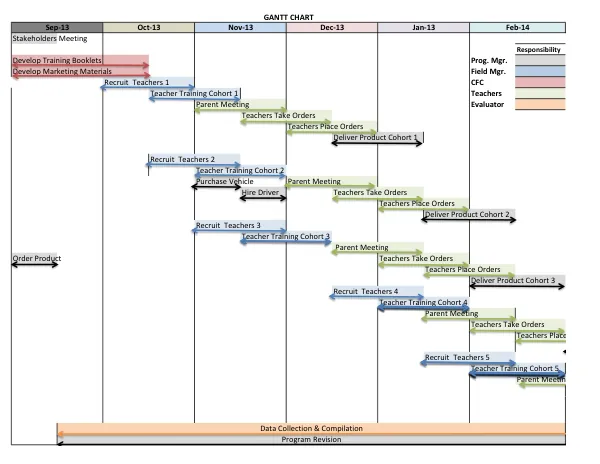
The initiative began in September 2013 with a series of meetings with local community leaders and teachers to discuss the program's objectives and implementation plan. The program's implementation plan involves several key milestones, including the recruitment and training of teachers, the development of training materials, and the delivery of solar lights to community families. The program manager is responsible for overseeing the implementation of the program, including the coordination of teacher recruitment, training, and delivery of solar lights. Teacher recruitment and training are critical components of the program. The program manager is responsible for recruiting and training teachers to serve as program implementers. The training program includes instruction on the benefits and use of solar-powered lighting, as well as the ordering and delivery process. The program aims to have 70% of community families participate in the program, with 90% of families attending parent meetings. The program also involves the development of marketing materials, including training booklets and product information. The program manager is responsible for developing these materials, which will be used to educate teachers and community families about the program and its benefits. The program's evaluation plan involves the collection of data on program implementation and outcomes. The external evaluator will conduct quarterly reviews of program data and provide recommendations for program improvement. The program manager will work with the external evaluator to develop program questions, data collection tools, and review of evaluation data reports. The program's geographic focus is on rural communities in the Cusco region of Peru. The program aims to improve the quality of life for families in these communities by providing access to solar-powered lighting. The program's implementation plan involves several key milestones, including the recruitment and training of teachers, the development of training materials, and the delivery of solar lights to community families. The program's timeline is as follows: the first teacher training cohort is scheduled to begin in October 2013, with subsequent cohorts starting in November and December 2013. The program manager is responsible for coordinating the delivery of solar lights to community families, with the goal of having 70% of families participate in the program. The program's indicators of success include the number of families participating in the program, the number of families attending parent meetings, and the level of understanding and comfort among teachers and community families with solar-powered lighting. The program's evaluation plan will provide data on these indicators, as well as other program outcomes.