USAID
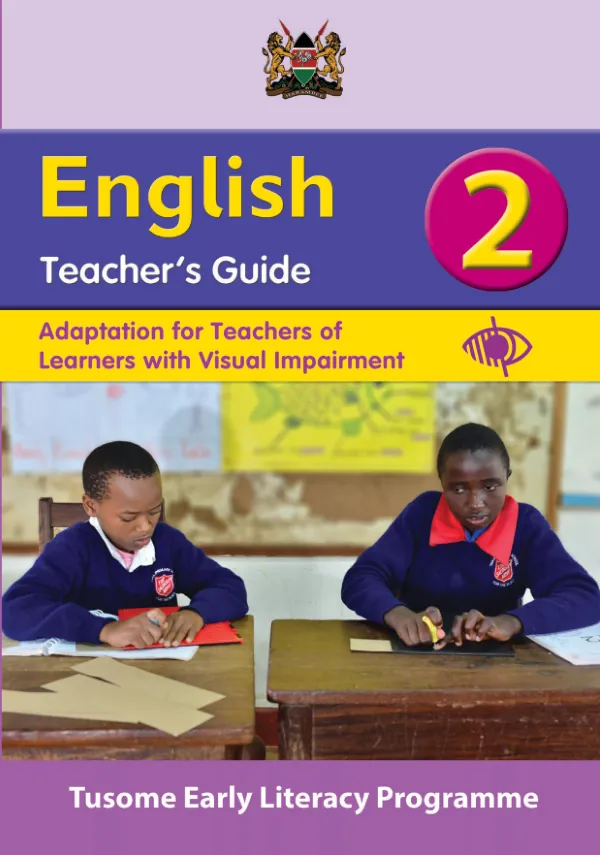
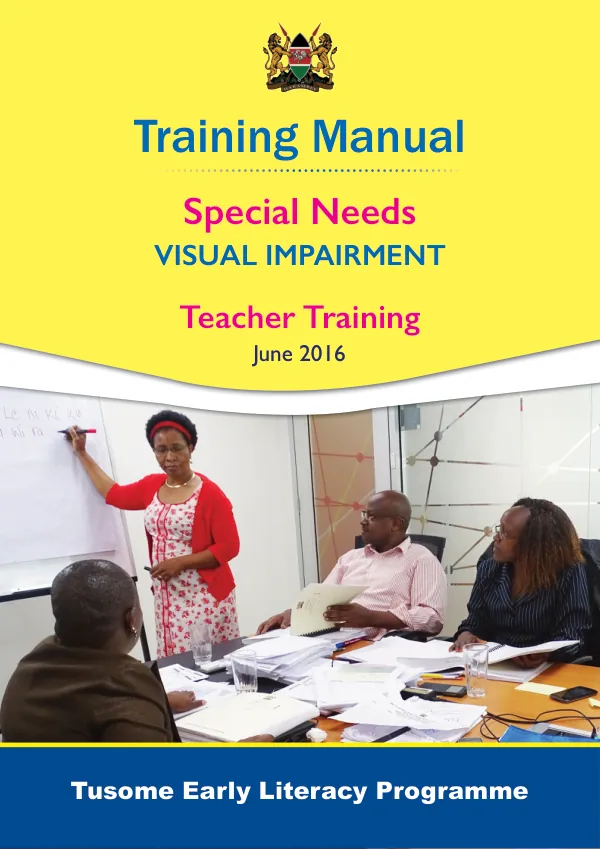
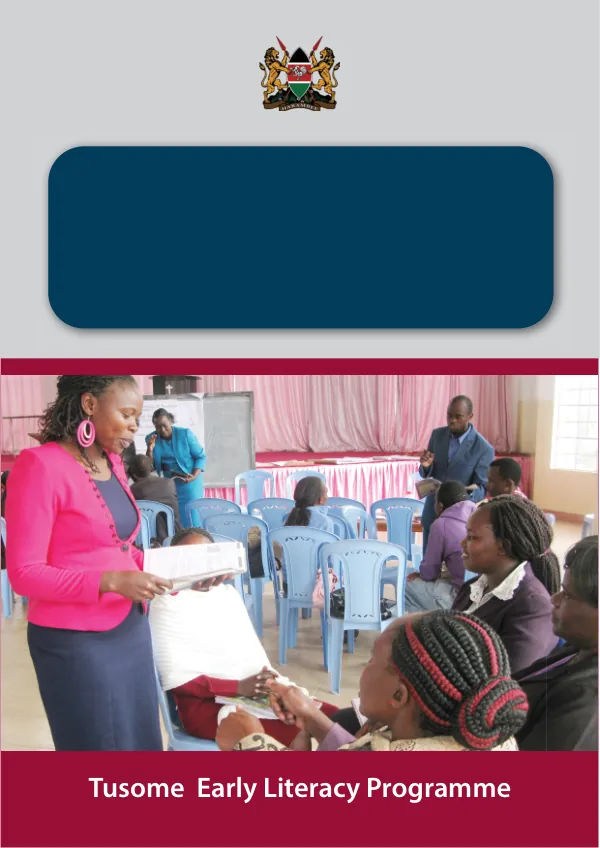
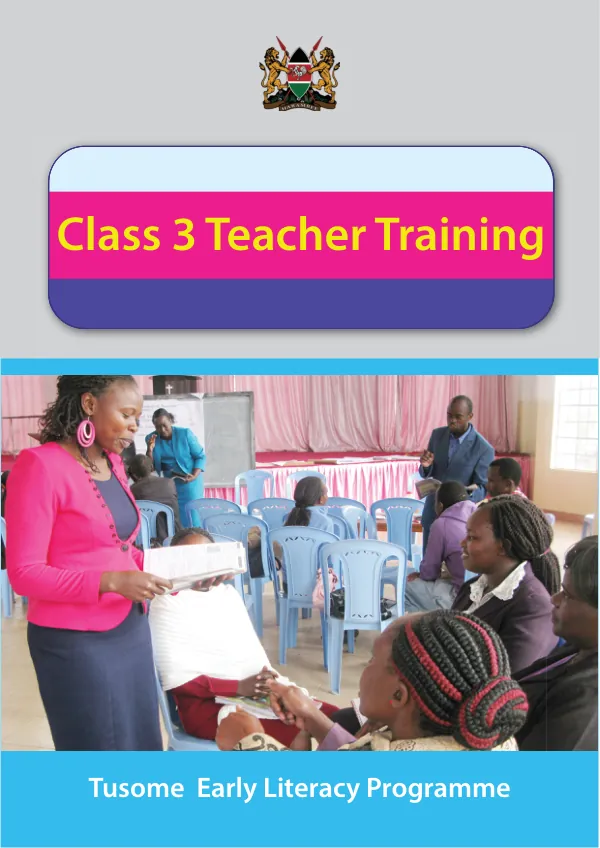
Training Manual for Tusome Early Literacy Programme Class 3 Teacher Training
The Tusome Early Literacy Programme is a teacher training initiative aimed at improving reading skills in primary school students.
2018 · 36 pages
Sign in to readA free account is required to download.
Abstract
The programme began in 2018 and is funded by various organizations. The training manual for Class 3 teachers is a comprehensive guide that outlines the programme's objectives, methodologies, and implementation details. The manual is structured around various components, including word study, comprehension, retelling, concept mapping, sequencing, and writing process. Each component is divided into three sections: introduction, "I do," and "we do." The introduction provides an overview of the component, while the "I do" section outlines the trainer's role in facilitating the activity. The "we do" section describes the teacher's role in implementing the activity with the students. The word study component focuses on teaching students to recognize and read words. The comprehension component aims to improve students' understanding of texts. Retelling involves teaching students to retell stories in their own words. Concept mapping is a visual tool used to organize and connect ideas. Sequencing is a strategy used to teach students to arrange events in chronological order. The writing process component guides teachers in teaching students to write effectively. The manual also includes a section on teacher read-aloud, which emphasizes the importance of reading aloud to students. The writing process section is divided into several stages, including planning, drafting, reviewing, revising, and publishing. The manual provides a lesson plan template for teachers to use in planning their lessons. The Tusome Early Literacy Programme has a strong focus on community involvement and collaboration. The manual emphasizes the importance of working with parents, community members, and other stakeholders to support student learning. The programme also places a strong emphasis on assessment and evaluation, with regular checks to monitor student progress and adjust instruction accordingly. The manual is designed to be flexible and adaptable to different teaching contexts and settings. It provides a range of activities and strategies that teachers can use to support student learning, and it encourages teachers to be creative and innovative in their approach. Overall, the Tusome Early Literacy Programme is a comprehensive and well-structured initiative that aims to improve reading skills in primary school students. The programme's implementation is focused on several key areas, including teacher training, classroom instruction, and community engagement. The manual provides a detailed guide for teachers on how to implement the programme in their classrooms, including lesson plans, activities, and assessments. The programme also includes a range of resources and support materials for teachers, including textbooks, workbooks, and online resources. The Tusome Early Literacy Programme has a strong focus on equity and inclusion, with a particular emphasis on supporting students from disadvantaged backgrounds. The programme recognizes that all students have the potential to learn and succeed, and it provides a range of strategies and resources to support students with diverse learning needs. Overall, the Tusome Early Literacy Programme is a comprehensive and well-structured initiative that aims to improve reading skills in primary school students. The programme's focus on teacher training, classroom instruction, and community engagement makes it a valuable resource for teachers and educators working in Kenya and beyond.