USAID DEC
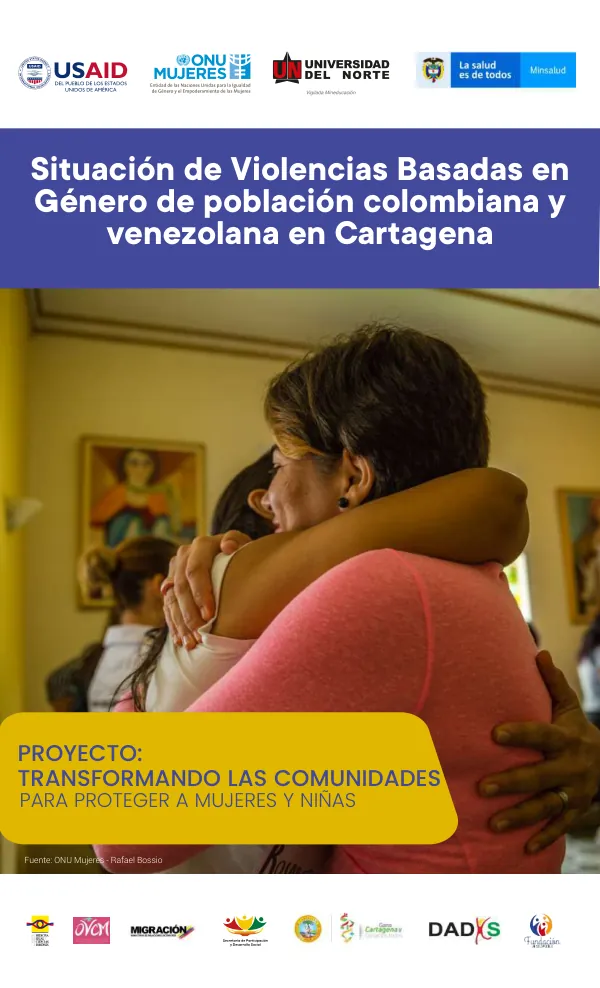
Transformando las Comunidades para Proteger a Mujeres y Niñas
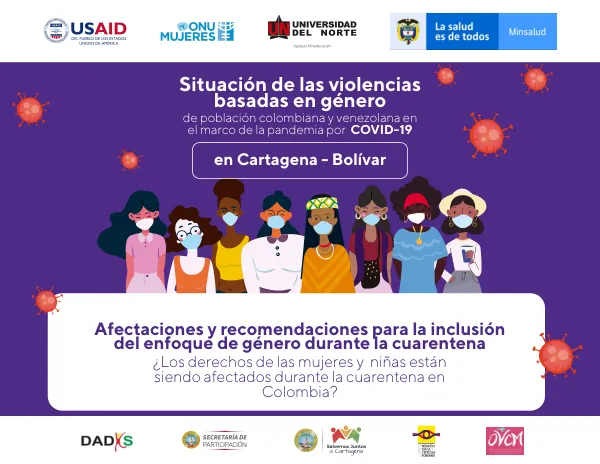
The situation of violence based on gender in the Colombian and Venezuelan populations in Cartagena, Bolívar, is a pressing concern.
2019 · 8 pages
Sign in to readA free account is required to download.
Abstract
According to data from the Colombian Migration Agency, as of October 2019, there were 1,630,903 Venezuelans living in Colombia, with 59,410 of them residing in the department of Bolívar. This represents 3.99% of the Venezuelan population in Colombia. Violence against women and girls is a significant issue in Cartagena, with the majority of cases occurring within the family or by a known person. In 2019, the Office for Women's Affairs in Cartagena reported 122 cases of violence against women in the Virgen and Turística localities, 157 cases in the Industrial de la Bahía locality, and 49 cases in the Histórica and del Caribe Norte locality. The majority of victims were women, accounting for 93.15% of all cases. The situation is particularly concerning for Venezuelan migrant women, who face increased vulnerability due to their economic dependence on their partners or ex-partners, limited family support networks, and barriers to accessing protection and stabilization measures. In 2019, the "Transformando las comunidades para proteger a mujeres y niñas" project supported the development of 10 mobile units, providing access to comprehensive care services, including health, counseling, and support for 1,844 Venezuelan and Colombian women and girls. To address the issue of violence against women and girls, the Colombian government and international organizations recommend several strategies. These include reducing access barriers to comprehensive care services, avoiding revictimization of survivors, and implementing institutional protocols for attention and training for public servants. Additionally, it is essential to strengthen the response to violence against women and girls through intersectoral collaboration, enhance the technical capacities of interdisciplinary teams, and continue implementing strategies such as mobile units for comprehensive care.