DFID
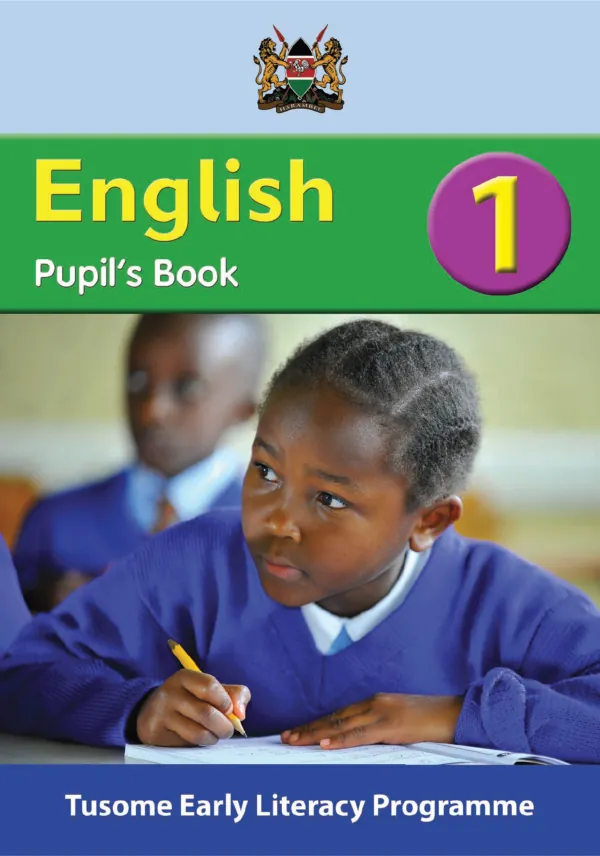
Tusome: A National Literacy Programme for Kenya
The Government of Kenya has recognized education as a basic human right and is committed to providing education to all citizens.
154 pages
Sign in to readA free account is required to download.
Abstract
Significant resources have been invested to improve access, relevance, equity, and quality in education, resulting in improved infrastructure and increased enrollment in all sub-sectors. The government aims to produce citizens who are innovative, capable of lifelong learning, and able to perform complex tasks. To achieve this goal, the education system should produce individuals with problem-solving skills, decision-making abilities, and minimal supervision requirements. Additionally, the system should foster individuals with better reading, quantitative reasoning, and expository skills. Sustainable development demands that every human being acquires 21st-century knowledge, skills, attitudes, and values necessary to shape a sustainable future. Kenya has made progress in improving the quality of education, particularly in the area of literacy in lower primary. The Tusome book is designed to inform and guide teaching and learning in lower primary literacy. The book's design ensures that all Kenyan children can read and comprehend by the end of the year. The Ministry of Education, Science, and Technology aims to provide quality education to all learners, regardless of their socio-economic status. Reforms have been undertaken to improve the education sector, making it globally competitive. Research initiatives such as the National Assessment Monitoring Learning Achievement (NASMLA) and the Southern and Eastern Africa Consortium for Monitoring Education Quality (SACMEQ) indicate the need for improved achievement in literacy and numeracy competencies. Recent developments in Kenya, including the Constitution of Kenya 2010 and Kenya Vision 2030, have made the need for a comprehensive quality framework even more urgent. The Tusome national literacy program aims to improve literacy outcomes in Classes 1 and 2. The program, supported by USAID and DFID, focuses on improving teacher capacity, access to textbooks and supplementary materials, instructional support supervision, and monitoring and evaluation systems. The program also aims to enhance the use of ICT to support literacy outcomes and improve the capacity of the education sector to sustainably improve literacy outcomes. The program's implementation is crucial for achieving the goals of the Ministry of Education, Science, and Technology. The Principal Secretary of the State Department of Education urges all stakeholders to join hands in ensuring the successful implementation of the Tusome program. The program's success will depend on the collaboration and commitment of all stakeholders involved. The Tusome program's design and implementation are critical for improving literacy outcomes in lower primary education. The program's focus on teacher capacity, instructional support, and monitoring and evaluation systems will help to improve the quality of education in Kenya. The program's success will have a positive impact on the education sector and contribute to the achievement of the country's development goals.
Related documents